The Quiet Office Mystery
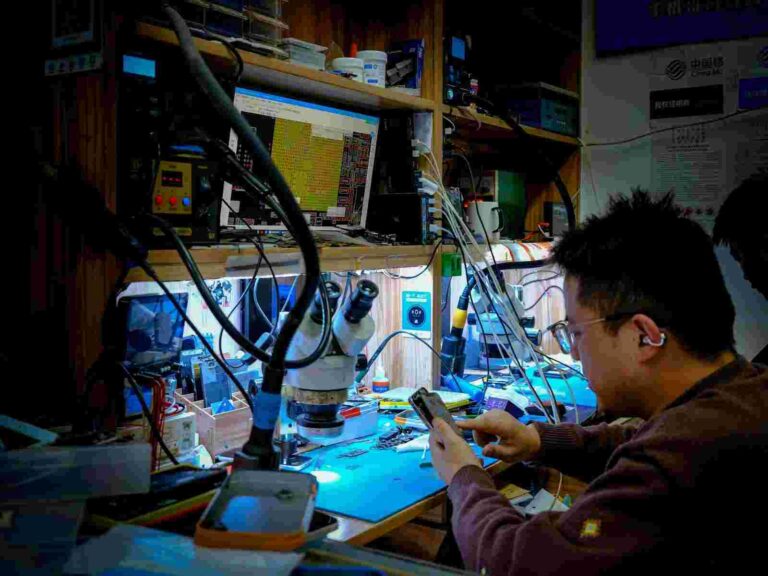
It is 2: 00 PM on a Tuesday. The office is unusually calm. There are no loud arguments about the coffee machine. Nobody is debating which project is more important. Everyone is just. .. working.
On the surface, it looks like a dream. A manager might look around and think, "Wow, my team is finally focused. They are in the zone. They must be happy. "
But there is a problem with silence. Silence can be a sign of great concentration, or it can be the sound of a room full of people who have simply given up.
In a small, tightly-knit team, things move fast. You talk to each other all day. You share ideas. You laugh at the same jokes. But then, one day, the laughter stops. The Slack messages get shorter. The meetings get quieter.
Is this peak productivity, or is the engine starting to smoke?
The Sound of Productivity
First, let's look at the good kind of quiet.
When a team is truly "in the zone, " they aren't necessarily silent, but they are efficient. They aren't wasting energy on unnecessary drama or pointless chatter. They are focused because the work actually matters to them. They feel a sense of ownership.
In this state, you'll notice: People proactively share updates. Conversations are about solving problems, not complaining about them. * There is a sense of momentum.
This is the kind of quiet you want. It feels light. It feels like a group of people moving in the same direction.
The "Quiet Breakdown"
Then, there is the other kind of quiet. This is much heavier.
I call it the "quiet breakdown. " It isn't a sudden explosion or a dramatic resignation. It is a slow fading out. It's when an employee stops fighting for better ideas. They stop suggesting improvements. They just do exactly what they are told, no more and no less.
They aren't being "good employees. " They are protecting themselves.
In a highly-connected team, this is especially dangerous because it's easy to miss. If everyone is being polite and hitting their deadlines, you might think everything is fine. But look closer at the energy.
The signs of quiet frustration are often subtle: The "Yes" Trap: They stop saying "No" or "Wait, that won't work. " They agree to everything because they don't have the mental energy to argue anymore. Communication Shrinkage:
It's like a battery that is stuck at 5%. It's still providing power, but it doesn't have enough left to do anything interesting.
The Weight of Connection
Small teams have a unique struggle. In a big corporation, you can hide in a cubicle. You can be a ghost. In a small team, everyone sees everyone.
Because the connection is so tight, the emotional weight is also higher. If one person is struggling, the whole team feels the tension. If the leader is stressed, the team absorbs it like a sponge.
When people feel they can't speak up because it might "disrupt the vibe" or "stress out the boss, " they start to internalize everything. They carry their frustration quietly to keep the peace.
This is a lie. You cannot have peace if the foundation is cracking.
How to Hear the Silence
So, how do you tell the difference? You can't just ask, "Are you happy? " because most people will just say "Yes" to avoid a difficult conversation.
You have to look for the absence of things.
What is missing? Is the passion gone? Is the gentle pushback that used to happen during brainstorming sessions missing? If your team has stopped challenging you, they might not respect your ideas-they might just be too tired to care about them.
A healthy team needs friction. A little bit of healthy disagreement is actually a sign of life. It means people still care enough to want things to be better.
The Practical Pivot
If you suspect the silence is actually burnout, you can't fix it by just giving them a pizza party. That's like putting a bandage on a broken leg.
You need to lower the "cognitive load. " This means looking at the workflows. Are there unnecessary meetings? Are there too many "urgent" Slack messages that aren't actually urgent?
Sometimes, the best way to help a tired team is to stop asking them to perform and start asking them how to simplify.
Give them permission to disagree. Create a space where saying "I'm overwhelmed" isn't seen as a weakness, but as a data point.
Silence is a powerful tool, but it's also a mask. Don't let a quiet office fool you into thinking the work is easy. Sometimes, the quietest rooms are the ones where the most damage is being done.