Can Dynamics 365 for Manufacturing help streamline shop floor execution and data collection?
Smart Steps on the Factory Floor: Dynamics 365 and Real-Time Production
Factories are amazing places. They hum with busy machines. They produce everything from the clothes we wear to the toys children play with. For a long, long time, how things were made on the factory floor was pretty much the same. Workers moved things by hand. Supervisors wrote notes on clipboards. Data, or information, was collected with pencils and paper. This old way, while familiar, often felt like trying to track a speedy rabbit with a slow camera. Things would get lost. Important details might be missed.
Imagine a busy bakery. The smell of fresh bread fills the air. Bakers are mixing dough, kneading it, and putting loaves into hot ovens. In the old days, a baker might guess how much flour was left. They might write down how many loaves were baked on a paper sheet. This works, but it’s not perfect. What if the paper gets wet? What if the numbers are hard to read? Making great bread means knowing exactly what is happening, all the time.
The question today is simple: Can a special computer system called Dynamics 365 for Manufacturing help make this busy factory floor work smoother? Can it gather all that important information faster and more clearly? The answer is a resounding “yes.” This system is like giving the factory a super-smart brain that helps everything connect and flow. It is about bringing modern tools to ancient crafts, making the work better without losing the human touch.
The Busy Heart of Production
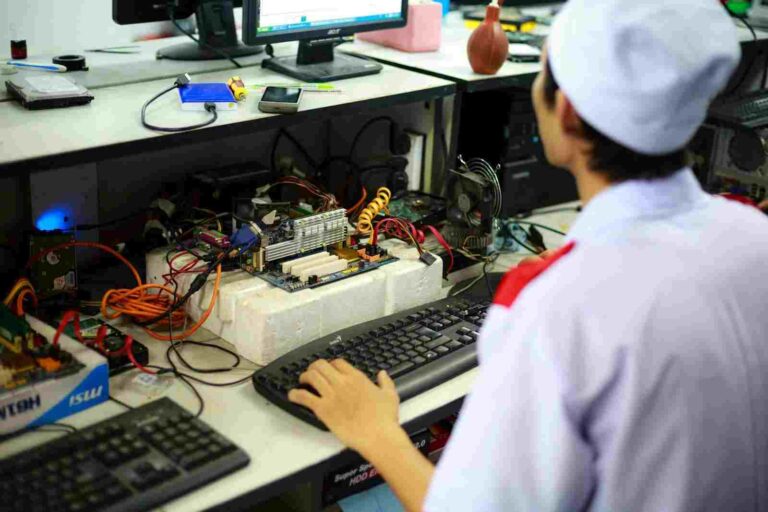
Step onto a factory floor, and you’ll find a world in motion. Machines whir and clank. Lights flash. Workers move with purpose. This is where raw materials turn into finished products. Think of a giant puzzle being put together, piece by piece, day after day. This process, making things happen, is called “shop floor execution.” It means making sure the right parts are in the right place at the right time. It means checking that machines are working. It means knowing how much of something has been made.
For many years, managing this busy dance was a big challenge. Plans were often printed on paper. Supervisors walked around, checking things off lists. If a machine broke down, someone had to run and tell others. If a part ran out, work might stop. It was like trying to direct a big orchestra using only shouted instructions, with no sheet music for the players. This way of working, while brave and strong, often led to delays and mistakes. It was simply hard to see the whole picture at once. The floor might feel like a maze, full of important work but also hidden roadblocks.
Gathering the Gold: The Challenge of Data
Every factory creates a lot of information. How many items were made today? Which machine did the best job? Were there any broken pieces? This information is like gold. It helps managers make smart decisions. It helps them fix problems. It helps them make even better products in the future. Collecting this “gold” is called “data collection.”
In the past, gathering data was often a slow and messy job. Workers might write down numbers on paper forms. These forms would then be carried to an office. Someone would type the numbers into a computer spreadsheet. This method had many chances for errors. A number could be written wrong. A paper could get lost. It took time, sometimes days, to see what had truly happened on the factory floor. This meant that by the time you knew there was a problem, it might already be too late to fix it easily. It was like trying to drive a car by looking in the rearview mirror—you could see where you had been, but not where you were going. The factory floor held secrets, hidden in piles of paper or whispered reports.
A New Kind of Helper: What is Dynamics 365?
So, what is this “Dynamics 365 for Manufacturing” we’re talking about? Think of it as a super-smart digital assistant, a brain for the entire factory. It’s not one single machine, but a powerful set of computer programs that work together. It helps different parts of a business talk to each other. For a factory, this means it can connect the plans made in the office to the actual work being done by the machines and people on the floor.
It’s like having one big, organized notebook where everyone in the factory can write down and see information at the same time. If a worker finishes a job, they can tap a screen, and everyone knows right away. If a machine needs repair, that information pops up for the right people. It helps the factory work as one smooth team, like a well-oiled clock with every gear turning perfectly. It turns what was once many separate pieces of information into one flowing river of knowledge, always moving forward.
Making Things Flow: How Dynamics 365 Helps Shop Floor Execution
When it comes to making the factory floor work better, Dynamics 365 is a game-changer. It helps in several key ways, turning old, slow ways into new, speedy ones.
-
Smart Planning and Scheduling: Imagine trying to plan a big picnic for many friends. You need to know who brings what, and when. Dynamics 365 does this for the factory. It helps plan out exactly what needs to be made, which machines will make it, and which workers are needed. It can even adjust plans quickly if something unexpected happens, like a machine breaking down or a rush order coming in. It’s like having a master conductor for the factory’s symphony, making sure every instrument plays at the right time. This means less waiting around, less wasted time, and more items made.
-
Tracking Work in Progress (WIP): On the factory floor, things are always moving. Materials come in, they get shaped, assembled, and then they leave as finished products. This “work in progress” can be hard to track. Where is that specific batch of parts? How far along is it? Dynamics 365 gives managers a clear view, like a map that shows exactly where every item is on its journey through the factory. Workers can scan a barcode or tap a button when they finish a step, and the system updates instantly. This stops things from getting lost or forgotten. It means everyone knows the status of every order, from start to finish.
-
Managing Machines and People: The system can also help keep track of machines. When was it last fixed? Is it running at full speed? It can even help managers see who is working on what task. This helps make sure that machines are used well and that no one is overworked, and no one is sitting idle. It’s like a careful coach, making sure every player is in the right position and performing their best. It reduces the need for constant questions and helps everyone focus on their jobs.
Seeing Clearly: Dynamics 365 and Smart Data Collection
This is where the “gold” of information truly shines. Dynamics 365 transforms how factories collect data, turning it from a messy chore into a clear advantage.
-
Real-Time Information: This is perhaps the biggest change. “Real-time” means right now! As soon as a worker finishes a step, or a machine completes a task, that information is recorded in Dynamics 365. Managers don’t have to wait for reports to be typed up. They can see what’s happening on the floor at this very moment. It’s like having a special window that shows everything happening in the factory, live. If there’s a problem, like too many broken parts, managers know immediately and can fix
Recommended Resources on Amazonit before it gets worse. This means reacting fast, like a quick-thinking athlete. -
Tablets and Scanners: How do workers put information into the system so easily? Often, they use simple tablets or handheld scanners right on the factory floor. They might scan a barcode on a part or tap a few buttons on a screen to say a job is done. This is much faster and easier than writing things on paper. It also means fewer mistakes, because the system can check if the numbers make sense right away. Imagine playing a game where your score updates automatically as you play, instead of having to write it down after every turn.
-
Less Mistakes, More Trust: When information is entered directly into the system, there are fewer chances for errors. No more messy handwriting or numbers typed wrong. This means the data is cleaner and more reliable. Managers can trust the information they see, which helps them make better choices. This trust in the data builds trust in the whole system, making everyone’s job a bit easier and less stressful. The numbers on the screen truly reflect the hum and clatter of the busy factory.
-
Making Sense of Data: Dynamics 365 doesn’t just collect data; it helps make sense of it. It can show managers clear pictures and graphs that highlight important trends. Which shift made the most products? Which machine is always having trouble? These insights help factories get better and better over time. It’s like having a wise old friend who can look at all your notes and tell you exactly what they mean, and what you should do next.
Stories from the Floor
Let’s think about a factory that makes wooden toys. Before Dynamics 365, the manager, Mrs. Sato, would walk around with a clipboard. She would ask her team, “How many toy cars did you sand today, Kenji?” and “How many wheels did you attach, Mei?” Kenji might say “about 50,” and Mei might have forgotten the exact number. Mrs. Sato would write down what she thought was right.
Now, with Dynamics 365, Kenji finishes sanding 50 cars. He taps a few buttons on a small tablet nearby. Mei, attaching wheels, scans a barcode for each car she finishes. All this information goes straight into the system. Mrs. Sato can sit at her desk, or even look at her own tablet, and see exactly how many toy cars are sanded, how many have wheels, and how many are ready for painting. She sees it live. If she notices that the “wheel-attaching” step is always slower, she can think about why and find a solution. Maybe Mei needs a new tool, or maybe the next batch of toy cars should have fewer wheels.
This is not just about numbers. It’s about being able to react. It’s about solving small problems before they become big ones. It means the toy cars get made faster, with fewer mistakes, and everyone feels less confused and more in control. The factory floor feels less like a chaotic dance and more like a graceful ballet, each movement precise and purposeful.
More Than Just Machines: The Human Side
When we talk about new technology like Dynamics 365, some people might worry. Will it replace workers? Will the factory lose its human feel? The truth is, these systems are designed to help people, not replace them.
-
Helping Workers, Not Hurting Them: For workers on the shop floor, Dynamics 365 can make their jobs easier. No more filling out endless forms. No more guessing what to do next. The system can provide clear instructions. It can help them report issues quickly. This means less frustration and more focus on their actual skilled work. It frees up their hands and minds from boring paperwork and lets them focus on the craft.
-
New Skills, New Opportunities: While some old tasks might go away, new ones appear. Workers might learn how to use the tablets or understand the data screens. These are valuable new skills for the future. The factory floor becomes a place of constant learning and growth. It’s like learning to ride a bike after walking—it feels different, but it opens up new paths.
-
Less Stress, More Control: When information flows smoothly, there’s less confusion and stress. Everyone knows what’s going on. Workers feel more connected to the bigger picture. They can see how their work contributes to the finished product. This can make the job more satisfying. The loud clang of metal on metal still happens, but now, there’s a calm flow of information underneath it all.
Looking Ahead: The Factory of Tomorrow
The use of systems like Dynamics 365 is just the beginning. We are moving towards “smart factories.” These are places where machines, sensors, and computer systems are all connected, talking to each other constantly.
Imagine a future where:
* Machines Fix Themselves: Sensors on machines could predict when a part is about to break, and the system could order a new part automatically, before the machine even stops working. This is called “predictive maintenance.”
* AI Takes the Wheel (Sometimes): Smart computer programs (Artificial Intelligence or AI) could analyze all the data and suggest even better ways to make products or fix problems. They might notice patterns that humans miss, like how a slight change in temperature affects product quality.
* Humans as Overseers: Instead of doing repetitive tasks, humans would become the planners, the problem-solvers, and the creative minds. They would guide the smart systems, making sure everything runs smoothly and innovatively. The factory floor would still have the smell of oil and the hum of power, but it would also have the quiet glow of screens showing real-time magic.
This future isn’t far off. It builds on the foundations laid by systems like Dynamics 365. It’s about combining the strength and skill of human hands with the speed and accuracy of digital brains.
Deep Thoughts on Progress
It is a curious thing, this march of progress. We look back at how things were, with their familiar rhythms and hand-done care. And we look forward, to machines that learn and systems that see. Is there a soul in the factory? Perhaps it is the spirit of human ingenuity, always seeking better ways to build, to create, to bring order from raw materials. Technology, at its best, is not a replacement for this spirit, but an extension of it. It asks us to look at what we value. Do we value speed alone, or do we value the human touch that guides the speed?
This transformation is not just about making more things, or making them faster. It is about making them better. Better quality products. Better working conditions. Better information for smart decisions. It’s about freeing up human minds from endless paperwork so they can focus on the truly creative and complex challenges. In the end, the most powerful tool in any factory remains the human imagination. And now, it has a brilliant new helper.
Key Takeaways
- Streamlining Shop Floor Execution: Dynamics 365 helps factories plan, schedule, and track work more smoothly. It means less waiting, fewer mistakes, and a faster flow of products.
- Transforming Data Collection: It moves factories away from slow, error-prone paper methods to quick, accurate digital collection. Information is available in “real-time,” helping managers make smart decisions right away.
- Benefits for All: The system helps managers get clear insights, helps workers do their jobs more easily, and leads to better quality products.
- The Future is Connected: Dynamics 365 is a key step towards smart factories where humans and technology work hand-in-hand, making production more efficient and intelligent.
By embracing tools like Dynamics 365, factories can move from the busy, sometimes confused, hum of the past to a clear, efficient, and intelligent symphony of production. It’s a journey that honors the tradition of making things while bravely stepping into a brighter, smarter future.