Can Publishing and Deploying help a teacher’s Power App quickly get new interactive tools for student engagement?
The classroom hums with possibility. Imagine a place where learning is not just about listening, but about doing, exploring, and creating. Teachers work hard to make lessons come alive. They want every student to feel the spark of discovery.
This takes new tools. It takes ideas that move. How do teachers bring fresh, exciting ways to learn into their classrooms, almost as fast as they think of them?
It often comes down to two simple steps: Publishing and Deploying. These words sound like something from a big factory, but for a teacher using a special kind of app, they mean bringing amazing, interactive learning tools right to the students. Quickly.
What is a Power App in the Classroom?
Think of a Power App like a super flexible digital whiteboard. A teacher can build their own custom tools on it. Maybe it’s a quiz game with colorful answers, or a map that lets students tap on different places to learn facts. It could be a virtual journey through a rainforest, or a way to practice math problems that change each time.
These apps are not like the ones you download from a store. They are made by people, often even by the teachers themselves, to fit exactly what their students need. They can feel like a game. They can feel like a helpful friend.
A teacher might see that students are struggling with a certain math idea. Boom! They can build a simple app to help them practice that exact idea in a fun way. They don’t have to wait for a textbook company to make a new book. They become the creators. This puts power in their hands, like a magic wand for learning.
The Magic of Building: Teachers as Creators
Teachers are natural innovators. They are always finding new ways to explain things. They are always adapting. Before, if a teacher wanted a new tool, they might have to buy expensive software or wait for a school committee to approve something new. That took a long time. It could feel like waiting for a slow ship to cross an ocean.
Now, with tools like Power Apps, a teacher can build their own digital helpers. They can make an app that helps students learn to read, or one that tracks how much water a plant needs. They can design a history timeline that students can tap and explore.
This changes everything. It means teachers can act on their best ideas right away. They can make learning feel like a new adventure every day. The classroom becomes a laboratory of discovery.
The “Publish” Button: Sharing Your Creation
Once a teacher builds an app, it’s like finishing a beautiful painting. It’s ready to be seen. But it’s still just on the teacher’s computer. How does it get to the students?
This is where “publishing” comes in.
When a teacher presses the “Publish” button, it’s like putting that painting in a gallery. The app gets prepared. It gets neatly packaged. It becomes ready to be used by others. It’s no longer just a work-in-progress. It’s a finished piece, ready for action.
This step is key. Without publishing, the app sits still, a wonderful idea waiting to burst forth. Publishing makes it real for others. It makes it shareable. It transforms a private dream into a shared experience.
It’s the digital equivalent of saying, “Here it is! It’s ready!” There’s a quiet click, a quick moment, and suddenly, the teacher’s hard work is prepared for the wider world of the classroom.
The “Deploy” Step: Getting It to Every Hand
Publishing makes the app ready. But how does it actually land on a student’s tablet or computer? That’s where “deploying” enters the picture.
Deploying an app means making it available for students to use. It’s like giving everyone a ticket to the gallery where the painting is displayed. The teacher shares a link, or adds the app to a special school list, or simply tells students where to find it.
Suddenly, with just a few taps or clicks, the app pops up on their screens. Imagine the light in a student’s eyes as a new game or an exciting learning journey appears before them. This is deployment in action.
It’s about access. It’s about making sure that the carefully crafted digital tool reaches its audience. It connects the creator to the user, bridging the gap from idea to engagement. This step is about speed and reach. It takes the teacher’s idea and spreads it across the digital space, touching every student’s device.
Why “Quickly” Matters for Learning
Why is this speed so important? Why can’t teachers just wait for new learning tools?
- Keeping Things Fresh: Students love new things. If a teacher can quickly create and share a new quiz or activity about something they just learned, it keeps their attention. Old lessons can sometimes feel stale. New tools make learning exciting, like a fresh, cool breeze on a warm day.
- Responding to Needs: Sometimes, a teacher notices that many students are having trouble with a specific concept. If they can quickly make an app to help, they can fix the problem right away. They don’t have to wait weeks or months. It’s like putting a bandage on a scraped knee right after it happens.
- Real-World Connections: The world changes fast. News happens. Discoveries are made. If an app can be updated quickly, it means lessons can connect to what’s happening right now. Imagine learning about a new space discovery the very day it happens, through an interactive app. That’s powerful.
- No Lag in Learning: Learning is like building blocks. Each new idea stacks on the last. If there’s a long wait for the right tools, the building process can slow down. Quick deployment keeps the building moving, block by block.
The ability to publish and deploy swiftly means that learning stays current, stays exciting, and stays deeply connected to the students’ needs. It’s about being nimble, ready to pivot, ready to ignite curiosity at a moment’s notice.
New Tools, Fresh Minds: How Interaction Sparks Joy
The real magic happens when these quickly deployed tools get into students’ hands. What kinds of new interactive tools can they be?
- Interactive Quizzes: Forget boring multiple-choice tests. Imagine a quiz where answers light up, or where a fun character cheers you on. Students can get instant feedback, knowing right away if they got an answer correct. It’s like a game show, but for learning. The screen glows, and a little sound effect might play, a tiny burst of delight.
- Virtual Field Trips: Want to visit the Great Wall of China or explore the ocean floor? An app can take students there. They can tap on different parts of the screen to learn facts, see videos, or listen to sounds. No buses needed. The world opens up right in front of them, a silent whisper of far-off lands.
- Gamified Learning: Turn a tough history lesson into a quest. Make math practice a race against the clock. When learning feels like a game, students forget they are studying. They just want to play more. And as they play, they learn. The energy in the room shifts; a buzz of focused excitement fills the air.
- Personalized Paths: Not everyone learns the same way. An app can change based on how a student is doing. If they understand something, the app moves on. If they need more help, it gives themRecommended Resources on Amazonextra practice. Each student gets a learning journey built just for them. This creates a feeling of being truly seen and understood.
- Creative Expression Tools: Apps can also let students create. They can draw, write stories, build digital models, or even code simple games themselves. This shifts them from just consuming information to actively shaping it. They become the artists, the engineers of their own learning.
These are not just gadgets. They are bridges to understanding, sparks for imagination, and pathways to deeper engagement. They make learning feel less like work and more like play.
A Look Back: Learning Before Apps
It is easy to forget how things used to be. Not long ago, if a teacher wanted a new interactive tool, it meant a lot of waiting.
Think about it:
* Textbooks: They are updated once every few years, if that. New discoveries or current events? They wait for the next edition.
* Physical Tools: If you needed a new science model or a special map, you had to order it. It would come in a box, often weeks later.
* Software Programs: Installing software could be a big job. It needed special computer labs. Updates were slow and clunky.
The process was like a slow-moving train. It got there eventually, but you couldn’t change the tracks or add a new car very fast. Innovation happened, but at a very different pace. The classroom felt more isolated, a walled garden of knowledge.
The ability to publish and deploy quickly means the classroom is no longer waiting. It’s connected. It’s agile. It breathes with the rhythm of real-time learning. It is a fundamental shift in how knowledge flows.
The Teacher’s Superpower: Instant Updates
This publishing and deploying process gives teachers a kind of superpower. They can update their apps and tools instantly. This might seem small, but it’s huge.
- Adapting to the Moment: A lesson isn’t going well? Students are confused by a specific question in the app? The teacher can tweak the app, clarify the question, or add a hint, then publish the change. Minutes later, the updated version is ready for all students. No more waiting until tomorrow.
- Fixing Things Fast: Found a tiny mistake in the quiz? A link that doesn’t work? It can be fixed, published, and deployed before the next class starts. This prevents frustration and keeps the learning smooth.
- Bringing in New Ideas: A teacher reads a news article that connects perfectly to today’s lesson. They can quickly add a section to their app, with a video or a map related to the news. The app becomes a living, breathing part of the world. It feels immediate.
This instant update ability transforms the teacher from just a user of tools to an active shaper of the learning environment. They are no longer bound by what exists but empowered to create what is needed, right now. This fosters a dynamic, responsive learning space.
More Than Just Tools: The Human Connection
While technology brings amazing new ways to learn, it’s important to remember what truly matters. An app, however clever, is just a tool. It doesn’t feel. It doesn’t understand the quiet joy of a student finally “getting it,” or the frustration of a difficult problem.
The human connection remains the heart of teaching. The look in a teacher’s eyes. The encouraging word. The shared laughter when a concept clicks. These are things apps cannot replicate.
What publishing and deploying do is free up the teacher. It gives them more time for that human connection. If the app handles the repetitive drills or the basic facts, the teacher can spend more time coaching, guiding, inspiring. They can focus on the messy, beautiful parts of being human. They can nurture the spirit.
The digital tools should be extensions of the teacher’s passion, not replacements for their presence. They are like a painter’s new brush, allowing for new strokes and colors, but the vision still comes from the artist’s soul.
The Ethical Crossroads: Being Thoughtful with Tech
As amazing as this technology is, it also makes us ask big questions. For all the good that rapid publishing and deploying can do, there are things we must consider.
- Fair Access for All: If some students have tablets and fast internet at home, and others do not, does this create a bigger gap? We must ensure these amazing tools are available to every single student, no matter their background. It’s about equity, about making sure no one is left behind.
- Keeping Data Safe: Apps collect information about how students learn. What they click. How long they spend on a problem. This data can help teachers tailor lessons, but it must be kept very private and safe. Students’ privacy is like a precious treasure, to be guarded carefully.
- Balancing Screen Time: While interactive apps are wonderful, learning also happens away from screens. Building models, drawing with crayons, talking with friends, playing outdoors. It’s important to find a balance. The glow of the screen should not dim the light of the real world.
- The Teacher’s Role: Does technology change what it means to be a teacher? No, not really. It just makes the role more exciting and creative. Teachers become conductors of a digital orchestra, guiding the instruments to make beautiful music, but still setting the rhythm and the melody.
These questions aren’t about stopping progress. They are about steering it wisely. They are about making sure technology serves humanity, not the other way around.
Looking Ahead: The Classroom of Tomorrow
What does the future hold for classrooms and these quickly updated apps?
* Smarter Assistants: Apps might learn even more about how each student learns, offering personalized challenges before a teacher even knows they are needed.
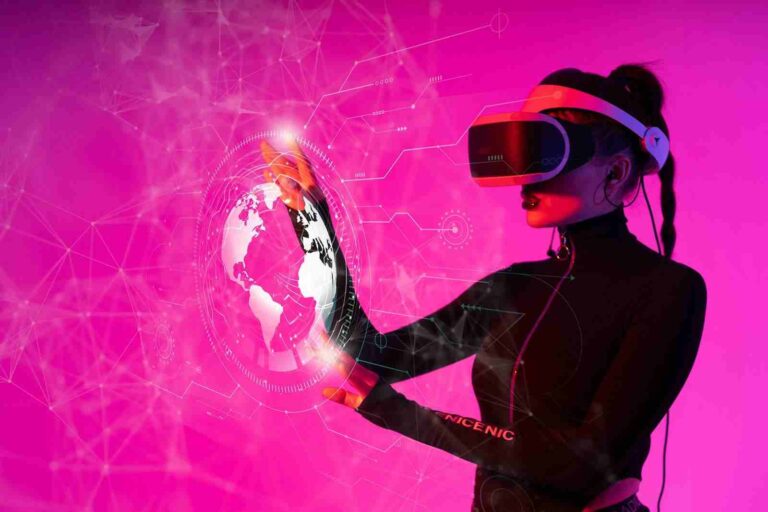
* Virtual Reality Lessons: Imagine stepping inside a historical event or walking through the human body, all through an app that updates with new discoveries. The air might almost feel different, filled with the presence of other times and places.
* Student-Built Apps: Students might not just use apps, but build them more easily. Learning to create their own digital tools could become a key skill, teaching them problem-solving and coding.
* Global Collaboration: Students in different cities, or even different countries, could work together on projects through shared apps, updating their work in real-time. Learning could become a truly global adventure.
The classroom will continue to change. It will be a place where ideas flow freely, where tools adapt as quickly as minds learn, and where the human heart of education beats stronger than ever.
The Unfolding Adventure
The journey of learning is endless. Publishing and deploying Power Apps quickly is not just a technical process. It’s a powerful enabler for teachers. It transforms them into agile innovators, able to weave new, vibrant threads into the fabric of daily lessons. It means that an amazing idea a teacher has in the morning can be a fun, interactive learning tool for students by the afternoon. This speed keeps learning alive, engaging, and deeply personal. It’s about ensuring that the spark of curiosity never has to wait.
Key Takeaways
- Power Apps empower teachers: They can build custom learning tools.
- Publishing makes apps ready: It prepares the app for sharing.
- Deploying makes apps available: It gets the app to students’ devices quickly.
- Speed matters for engagement: Fast updates keep learning fresh, relevant, and exciting.
- Interactive tools transform lessons: Quizzes become games, trips become virtual adventures.
- Teachers gain a superpower: They can adapt and fix tools instantly.
- Human connection remains key: Technology supports, not replaces, the teacher’s role.
- Thoughtful use is crucial: Fair access, data safety, and balanced screen time are important.