The Ghost in the Office Machine
A kitchen drawer is a graveyard of things we thought we needed. There is a manual garlic press from 2019, a half-used pack of glitter, and a specialized tool for opening coconuts that you used exactly once.
Offices have these drawers too. But instead of physical junk, they are filled with "ghost workflows. "
You know the ones. That beautiful, color-coded spreadsheet that everyone promised to use. That fancy project management tool that promised to "revolutionize" how the team communicates. For two weeks, everyone was diligent. Everyone was excited. Then, slowly, the spreadsheet stopped being updated. The tool became a quiet digital cemetery.
Three months later, you're back to sending messy email chains and shouting updates across the room.
Why does this happen? It usually isn't because people are lazy. It's because we often mistake a "new tool" for a "new way of working. "
The Shiny Object Trap
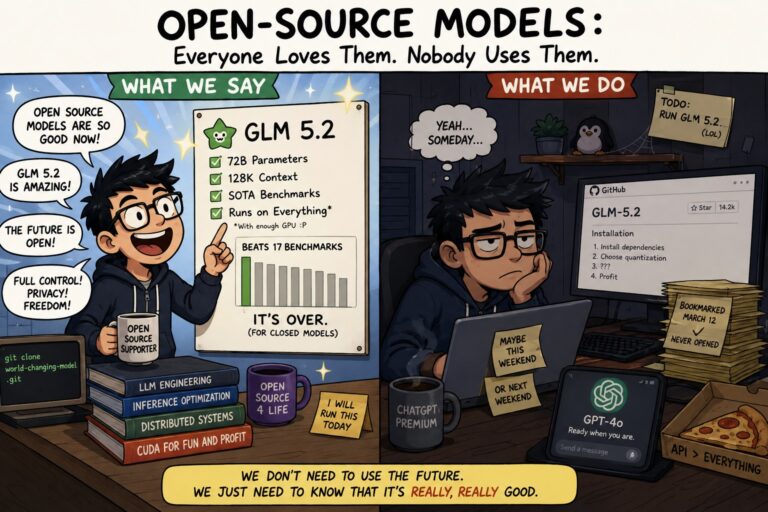
We tend to think that if we just find the right software, our problems will vanish. We buy a subscription, we import the data, and we wait for the magic to happen.
But a tool is just a hammer. If you don't know how to build a house, a gold-plated hammer won't help you.
Most abandoned workflows fail because they add more work instead of removing it. If a new process requires twenty extra clicks just to log a simple task, people will find a way around it. They won't hate the process; they will just prioritize their actual jobs over the process.
Complexity is the enemy of consistency.
The Friction Problem
Think about your daily habits. If you want to drink more water, putting a bottle on your desk makes it easy. If you have to walk to the kitchen, find a clean glass, and fill it every time you are thirsty, you probably won't do it.
Workflows work the same way.
When a workflow is "high friction,
Life moves fast. When a deadline is looming, people will always take the shortest path. If the shortest path is a messy email, that is where they will go. You cannot fight human nature with a better user interface. You have to make the right way the easiest way.
The Design Gap
There is a quiet difference between how a system should work and how it actually works.
On paper, a workflow looks like a clean line from Step A to Step B. In reality, Step A often involves a missing attachment, and Step B is delayed because a client forgot to reply.
If a workflow doesn't account for the "messiness" of real life-the interruptions, the mistakes, the human errors-it will break. A rigid system is a fragile system. When things go wrong, people won't try to fix the workflow. They will simply abandon it and go back to what they know.
Building Something That Lasts
So, how do we stop creating digital graveyards?
It starts with humility. Instead of asking, "What tool can we buy? " we should ask, "What specific problem are we solving, and how much extra effort are people willing to spend to solve it? "
If you can't explain the benefit of a new step in one simple sentence, don't implement it.
Keep it small. Don't try to change the whole company's culture in a Tuesday morning meeting. Start with one small, useful change. If it works, let it grow. If it fails, fail fast and quietly.
We should treat workflows like living things. They need to be fed, maintained, and occasionally pruned. If a process isn't serving the team, it's just more clutter in the drawer.
At the end of the day, the best systems aren't the most expensive ones. They are the ones that feel so natural that nobody notices they are even using them.