# The Hamster Wheel of Constant Crises
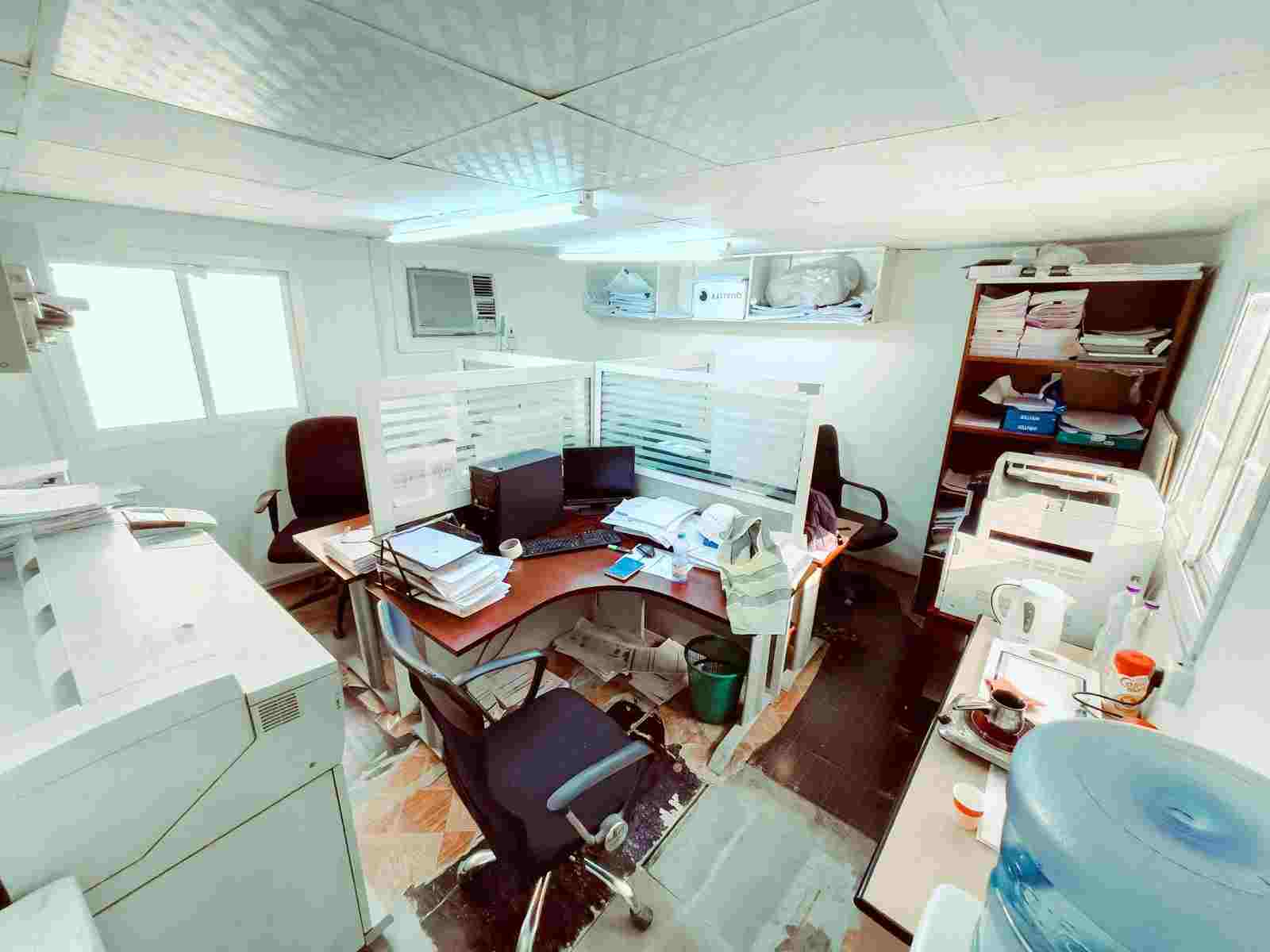
The printer jammed again. Someone accidentally deleted a shared folder. A client just called, sounding very upset about a deadline that was supposed to be next week, not today.
If this sounds familiar, you aren't alone. Most businesses don't struggle because they lack talent or great ideas. They struggle because they are stuck in "reactive mode. "
It is like trying to run a race while constantly stopping to tie your shoelaces. You are moving, sure. But you aren't actually getting anywhere. You are just reacting to the obstacles in front of you.
The Difference Between Playing Defense and Playing Offense
In business, there are two ways to work.
One way is staying ahead of things. You look at your data, you check your stock, and you plan for next month. This is proactive. It feels calm. It is like checking the weather before you leave the house so you remember to grab an umbrella.
The other way is reacting to things after they happen. This is being reactive. You only grab the umbrella once you are already standing in a downpour, soaked to the bone, wondering why everything is going wrong.
When a team is reactive, they spend all their energy putting out fires. They fix the broken thing, move to the next broken thing, and rarely have time to ask why things are breaking in the first place.
It is exhausting. It creates a culture where everyone is tired, slightly stressed, and always waiting for the next "emergency. "
Why We Fall Into the Trap
It is actually very easy to fall into this loop. In fact, humans are biologically wired for it.
Our brains are built to notice problems. A loud noise or a sudden change is much more noticeable than a quiet, smooth process. In an office, a "crisis" feels important. It feels like high-stakes work. Solving a sudden problem gives a quick hit of dopamine. It feels like you accomplished something big.
But there is a hidden cost.
Every time you stop everything to fix an immediate crisis,
The Chaos Tax
There is an invisible cost to being reactive. Let's call it the "Chaos Tax. "
When decisions are made in a rush, they are rarely the best decisions. They are just the fastest decisions.
- You hire the first person who is available, instead of the best person for the job.
- You buy the cheapest software to fix a problem today, even if it won't work next year.
- You agree to a client's impossible demand just to stop them from complaining, which ruins your schedule for everyone else.
This tax is paid in missed opportunities, employee burnout, and lost money. Over time, these small, rushed decisions pile up. They create a mountain of instability that makes it even harder to be proactive.
It becomes a cycle. The more you react, the more chaos you create. The more chaos you create, the more you have to react.
Finding the Brake Pedal
Breaking the cycle isn't about working harder. It is actually about working a little more slowly.
It sounds strange, doesn't it? In a world telling you to move faster, the answer is often to pause.
You need to find the "why" behind the "what. " If the same error keeps happening every Tuesday, stop fixing it every Tuesday. Instead, sit down on a Wednesday and figure out why Tuesday is a mess. Maybe the workflow is flawed. Maybe the software is outdated. Maybe the steps are just confusing.
Fixing the root cause feels slow at first. It takes time away from the "important" fires. But once that root cause is gone, you gain back hours of time. You stop tying your laces every ten steps. You finally start running the race.
Stability isn't a lucky accident. It is a choice you make every time you decide to fix a system instead of just fixing a symptom.
Maybe the goal isn't to be the fastest at fighting fires. Maybe the goal is to build a house that doesn't burn down so easily.