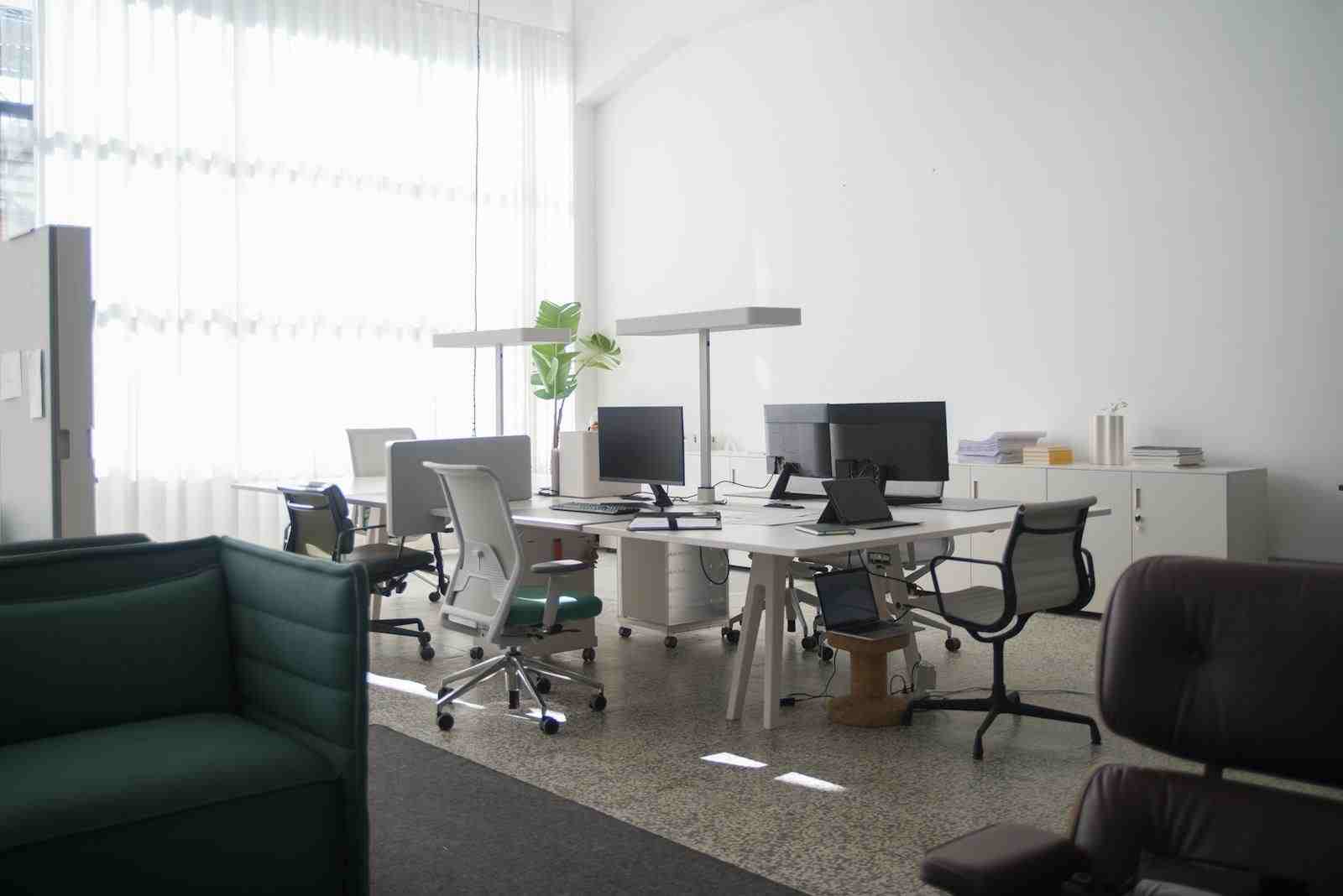
The Mystery of the Quiet Office
A client once walked into a bustling office, expecting to see chaos. They expected people running around with papers, phones ringing off the hook, and managers shouting instructions to fix a sudden crisis. Instead, they found something much weirder.
They found silence.
Well, not total silence. There was the hum of a computer, the soft sound of typing, and the occasional low murmur of a conversation. But there was no panic. No one was sweating. Everything seemed to be moving along like a well-oiled machine.
The client asked, "How are you guys so calm? Is everything okay? "
The owner just smiled and said, "Everything is boringly predictable. "
That's the secret. Most people think a "successful" business is a high-energy, high-drama environment. But in reality, the most stable businesses are often the most boring. They don't rely on heroes to save the day; they rely on systems that work while everyone is sleeping.
Systems vs. Superheroes
We have this strange habit of romanticizing the "firefighter. " We love the story of the employee who stays until midnight to fix a massive mistake or the manager who swoops in to solve a crisis that shouldn't have happened in the first place. It feels heroic. It feels like hard work.
But here is the uncomfortable truth: if you need heroes every week, your business is broken.
A stable business doesn't want heroes. It wants reliable processes.
Think about it like this. Imagine you are building a Lego set. If you have a manual that tells you exactly where every piece goes, you can build it perfectly every time. You don't need to be a genius; you just need to follow the steps.
Now, imagine trying to build that same set from memory, every single time. You might succeed, but you'll be stressed. You'll make mistakes. You'll lose pieces. You'll eventually want to throw the whole thing across the room.
Stability comes from knowing what happens next.
When a business has clear systems, a mistake isn't a catastrophe. It's just a data point. It's a sign that a step in the process needs a little adjustment. In a chaotic business, a mistake is a disaster that keeps everyone awake at night.
The Communication Gap
There is also the matter of how people talk to each other.
In unstable companies, information is treated like gold. People hold onto it. They keep secrets. They think that being the only person who knows how "the magic happens" makes them important. This is a recipe for disaster.
If the only person who knows the password to the main account goes on vacation, the business stops. That isn't power; it's a liability.
Stable businesses view information as a utility, like water or electricity. It needs to flow freely to everyone who needs it to do their job.
This
Communication in a stable business is calm. It isn't about long, dramatic meetings where people posture and show off. It's about short, clear updates that keep everyone on the same page. It's about saying, "This is what we are doing, this is why, and this is how we will know if it goes wrong. "
The Mindset of Predictability
Then there is the mindset. This is the hardest part to change because it involves how people feel about their work.
In a chaotic environment, people get a tiny hit of dopamine every time they solve a crisis. The adrenaline makes them feel important. They start to believe that the chaos is necessary for growth.
But real growth isn't about surviving the next storm. It's about building a ship that can sail through the storm without the crew panicking.
Stability requires a shift from being "reactive" to being "proactive. "
Being reactive means you wait for the phone to ring before you do anything. Being proactive means you look at the phone and realize it's probably going to ring at 3: 00 PM, so you prepare for it at 2: 00 PM.
It sounds simple. It really is. But it requires a level of discipline that many people find tedious. It requires looking at the boring details. It requires documenting things that "everyone already knows. " It requires asking, "If I weren't here tomorrow, could someone else do this? "
The Trade-offs
Of course, nothing is free.
Building a stable, system-driven business takes a lot of upfront work. It is much easier to just "wing it" when you are starting out. It is much faster to solve a problem with brute force than it is to sit down and figure out why the problem happened in the first place.
Stability can also feel a bit rigid if you aren't careful. If your systems are too strict, you lose the ability to be creative or to pivot when the market changes.
The goal isn't to create a robot-run factory. The goal is to create a foundation.
You want enough structure so that the basic stuff-the payroll, the client emails, the inventory-happens automatically. Once those things are stable, you actually have more freedom to be creative. You aren't spending all your mental energy just trying to keep the lights on.
You stop fighting fires, and you start building things.
At the end of the day, a stable business is just a group of people who have agreed on how to work together. They have decided that predictability is better than excitement. They have learned that being "boringly efficient" is the highest form of success.
Maybe we should stop looking for the heroes and start looking for the manuals.