The Hidden Cost of Being Annoying
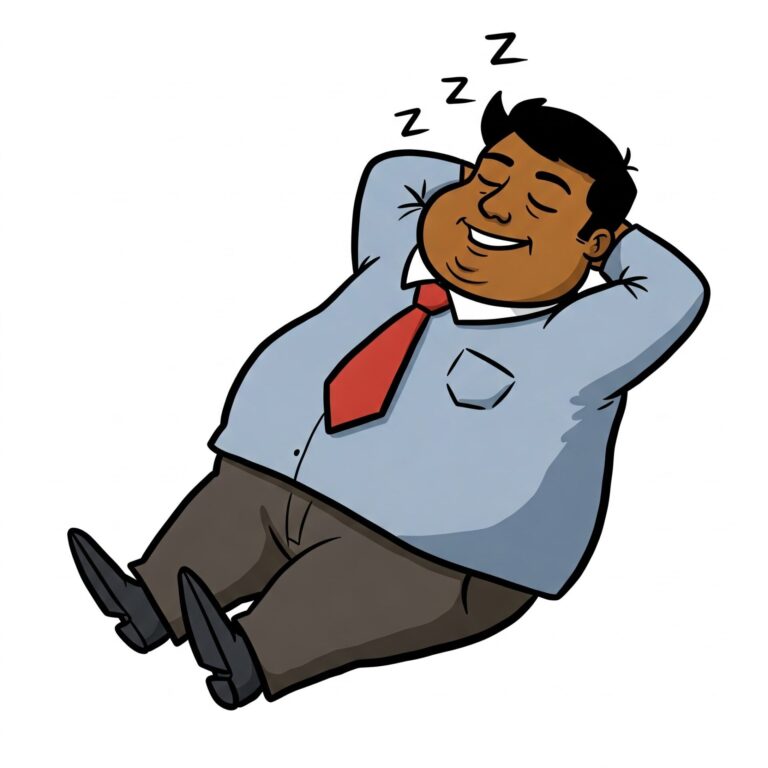
A customer once spent forty-five minutes on the phone trying to change a single recurring payment. They weren't even angry at first. They were just. .. tired. By the time they hung up, they didn't want to complain or ask for a refund. They just wanted to go lie down in a dark room.
That is the sound of a business becoming "emotionally expensive. "
We usually talk about money. We talk about subscription fees, shipping costs, or service charges. But there is another currency that customers use every single day, and they don't get a refund for it. It is called mental energy.
When a business makes things difficult, they aren't just taking a few dollars. They are draining the person on the other side of the screen.
The Friction Tax
Think about the last time you tried to sign up for something new. Maybe it was a gym membership or a new piece of software. You expected a simple form. Instead, you got a maze.
You had to create a username. Then a password with a special character that wasn't an emoji. Then you had to verify your email. Then you had to click a link that expired in ten minutes. Then you realized the website didn't work on your phone.
This is friction.
Friction is like trying to run through a swimming pool filled with honey. You can do it, but it takes a massive amount of effort. Most businesses think they are just adding "security steps" or "necessary data collection. " But to the customer, every extra click feels like a tiny, annoying tax on their brain.
If you make a customer work too hard to give you money, they eventually stop wanting to give it to you. It isn't about the price. It is about the exhaustion.
The Unpredictability Problem
There is nothing more draining than not knowing what will happen next.
Imagine you order a pizza. You expect it in thirty minutes. Instead, the app says forty. Then it says sixty. Then the driver calls you and asks where the house is, even though you sent a GPS pin.
That uncertainty creates a weird kind of stress. Your brain stays "on" because it is trying to solve a puzzle
In a business setting, this happens all the time. Maybe a client sends a request, and the company replies three days later with a question about something they already answered. Or maybe the website looks different every time you log in.
When things are unpredictable, the customer can never relax. They are constantly on guard. They are using their precious mental energy to navigate your mess.
The Confusion Loop
Sometimes, businesses use big words to sound smart. They use "industry jargon" because they think it makes them look professional.
But if a customer has to reach for a dictionary just to understand your pricing page, you have already lost. Confusion is a massive energy drain.
When a person is confused, their brain starts to signal a tiny alarm. Am I doing this right? Am I being scammed? Is this too complicated for me?
Even if the person is very smart, being confused feels bad. It makes them feel vulnerable. And nobody likes feeling vulnerable while they are trying to buy something.
A good business should feel like a well-lit hallway. You know exactly where the door is, and you know exactly what happens when you walk through it.
The Math of Human Energy
It is easy to look at a spreadsheet and see that your conversion rate is down. It is hard to see that your customers are simply too tired to click "buy. "
A business can be cheap. It can have the lowest prices in the market. But if it is emotionally expensive, it is actually very costly. People will pay a premium for peace of mind. They will pay more to avoid the headache.
They are buying back their own energy.
We often think of business as a battle of features or a battle of prices. But at its heart, it is a battle of how much peace you can provide.
Every time you simplify a process, every time you answer a question before it is asked, and every time you make a website easy to navigate, you are lowering the emotional cost. You are making it easy for people to exist in your world.
In the end, the most successful companies aren't always the ones with the most bells and whistles. They are the ones that let their customers breathe.