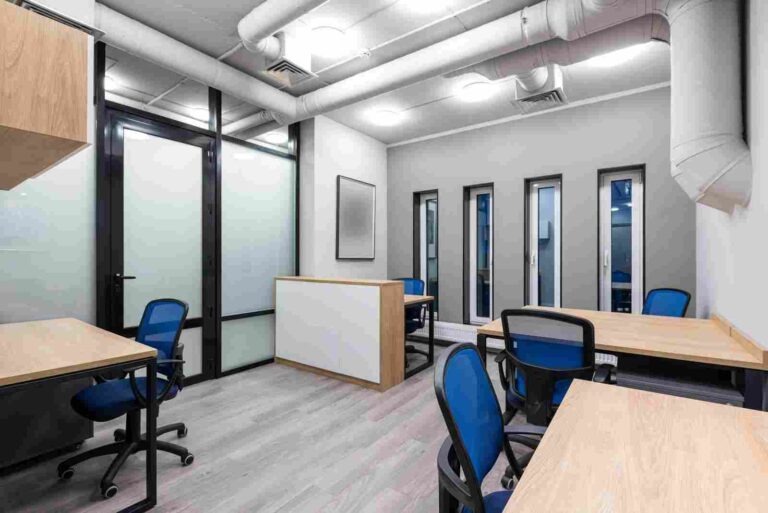
Can CRM Development Environments help us attract top talent by offering a professional CRM testing infrastructure?
Beyond Code: How Professional CRM Testing Environments Attract Top CRM Talent
The world of work is changing. It is no longer just about a good salary. Top workers today look for something more: a place where they can truly shine, where their skills are valued, and where they can build amazing things. For those who work with Customer Relationship Management (CRM) systems, this often means looking at the tools and setup a company offers. It makes one wonder: can having a really good setup for building and testing CRM systems actually help a company pull in the best talent? The simple answer is a resounding “yes.”
The Heart of Business: Understanding CRM
Before diving into the “how,” let’s make sure we all know what a CRM system is. Think of a CRM as the grand central station for all things related to customers. It is a big software system that helps businesses keep track of their customers, from the very first time they hear about them, through every purchase, every phone call, and every service request. It helps sales teams find new customers, helps marketing teams talk to them, and helps customer service teams make sure they are happy. In short, CRM is the lifeblood of many modern businesses. Without it, companies would struggle to connect with the people who keep them running.
The Builder’s Blueprint: What is a CRM Development Environment?
Now, imagine building a very important and complex house. You would not just start nailing boards together in your living room, would you? You would need a special place, a workshop or a construction site, where you could plan, cut wood, put pieces together, and make sure everything fits perfectly before putting it in the real house.
A CRM development environment is just like that workshop for software builders. It is a special, separate space where developers can create new features, fix problems, or change existing parts of the CRM system without messing up the live system that customers and employees use every day. It is a safe sandbox. In this sandbox, they can try out new ideas, make mistakes, and learn, all without risking the real-world operations of the business. It is where ideas come to life, piece by careful piece. This dedicated space ensures that the actual CRM system, the one the company uses daily, remains stable and works without a hitch.
The Silent Sentinel: The Professional Testing Infrastructure
If the development environment is the workshop, then the testing infrastructure is the quality control team. It is the careful eyes and smart tools that check every bolt, every beam, and every connection to make sure the house is strong and safe. For CRM, this means a set of tools, methods, and even special software that helps check if the new features or fixes work as they should. It makes sure they do not break anything else, and that they perform well, even when many people are using them at the same time.
Why is this “silent sentinel” so important? Think of a skilled craftsperson. They take immense pride in their work. They do not want to put out something that is broken or half-finished. They want their creations to be perfect, or as close to perfect as possible. A professional testing infrastructure is what allows CRM developers to have that same pride. It gives them the means to ensure their work is of the highest quality. It lets them sleep soundly, knowing their changes are robust.
This infrastructure involves different kinds of checks. There are small checks for individual pieces of code, like testing if a single gear in a clock works. There are bigger checks to see if all the pieces work together, like making sure all the gears turn correctly and the clock tells time. And then there are tests that simulate how real users will interact with the system, making sure it feels smooth and easy to use for everyone. Without these checks, the digital house they are building might look good on the outside, but it could have wobbly floors or leaky pipes inside.
The Magnet of Mastery: How This Draws the Best and Brightest
Now, imagine you are a highly skilled CRM developer, someone who loves building clever solutions and solving tough problems. You have a choice between two companies.
Company A has a messy setup. Developers share one testing area, and it is often broken. They have to wait in long lines to test their work. When they finally get a turn, they often find bugs that should have been caught much earlier, wasting hours of their precious time. They spend more time fixing old problems than creating new solutions. The air in this company often feels heavy with frustration.
Company B, on the other hand, has a gleaming, well-oiled machine. Each developer has their own space to work and test. There are smart tools that automatically check their code, finding problems before they even finish writing. When they are ready, they can easily push their work through a streamlined testing process, knowing that any big issues will be caught quickly and easily. They spend their days building, creating, and innovating, not fighting fires. The atmosphere here buzzes with positive energy.
Which company would you choose? The answer is clear. Top talent, the people who are truly passionate about their craft, will always choose Company B. Here is why a professional CRM testing infrastructure is a powerful talent magnet:
-
Respect for the Craft: Skilled professionals want to do good work. They do not want to spend their days patching up shoddy foundations. A robust testing setup signals that the company values quality and respects the time and effort of its developers. It says, “We want you to build great things, not just anything.” It shows a deep appreciation for their mastery. This respect fosters loyalty.
-
Efficiency and Flow: Imagine trying to write a beautiful story on a typewriter with a broken key, constantly stopping to fix it. Frustrating, right? A smooth, efficient development and testing environment removes these everyday frustrations. Developers can focus on building, not battling their tools. This smooth flow, this sense of progress, is incredibly motivating. It allows them to enter a state where time seems to melt away, and they are fully absorbed in their work. That feeling is priceless.
-
Learning and Growth: In a well-structured environment, automated tests often act like living guidebooks. They show how different parts of the system are supposed to work. New developers can learn quickly by seeing how the tests ensure correctness. This setup encourages best practices and continuous learning, which is a huge draw for ambitious professionals who want to keep growing their skills. It is like having an expert tutor built right into the system.
-
Freedom to Innovate: When developers are confident that their basic work is sound, thanks to solid testing, their minds are freed up. They are not bogged down by worry about breaking the live system. This freedom allows them to think bigger, to
Recommended Resources on Amazontry bolder ideas, and to innovate. They can explore new solutions, knowing that a safety net is always there. Creativity thrives in such an environment. It allows imagination to soar. -
Reputation Spreads: In the talent world, news travels fast. Companies known for their advanced tools, smooth processes, and commitment to quality become known as desirable places to work. Developers talk to each other. They share their experiences. A reputation for having a top-notch development and testing infrastructure is like a beacon, drawing in the brightest minds. This positive reputation is earned through consistent, deliberate investment.
-
Reduced Stress and Burnout: Constantly dealing with bugs, broken environments, and emergency fixes is draining. It leads to stress and burnout. A professional testing infrastructure significantly reduces this “firefighting.” Developers can leave work feeling accomplished, not exhausted. This focus on well-being is a powerful, unspoken benefit that attracts and keeps talent. Happy people do better work.
-
Meeting Modern Expectations: The best developers today are often familiar with the most advanced tools and practices. They have likely used sophisticated setups in their previous roles or during their training. They expect a certain level of professionalism. Asking them to work in an outdated, clunky environment is like asking a top chef to cook with dull knives and a broken stove. They simply will not stay. Modern talent demands modern tools.
Beyond Just Tools: The Philosophical Statement
Investing in a robust CRM development and testing infrastructure is more than just buying software or setting up servers. It is a profound statement about a company’s core values.
It whispers, “We value quality above all else.” It speaks volumes about the company’s commitment to its customers, ensuring they receive reliable, bug-free solutions. It means the company cares enough to ensure its digital interactions are seamless and trustworthy.
Even more importantly, it shouts, “We value our people.” It demonstrates a deep respect for the skills, time, and well-being of the development team. It acknowledges that human talent is a company’s most precious asset. It is an ethical choice to provide the best tools so that skilled professionals can do their best work, rather than frustrating them with preventable hurdles. It suggests a philosophy where excellence is pursued not just for profit, but for the satisfaction of a job done right. This commitment to quality, both in product and process, defines a company’s true character. It is the soul of the organization shining through its operational choices.
Stories from the Digital Frontier
Consider the story of Olivia. She was a brilliant CRM developer, but her last company was a constant headache. Their testing environment was a nightmare – slow, unreliable, and often broken. Every time she finished a feature, she braced herself for the painful, hours-long process of testing it, often finding problems that were not even her fault, but relics of past mistakes. She felt her creativity draining away, replaced by frustration. She yearned for a place where her coding skills could truly flourish, where she could build without constant interruptions.
Then, she interviewed with a new company. During the interview, they proudly showed off their dedicated testing labs, their automated checks, and their seamless system for getting new code from idea to reality. The engineering manager spoke about how they valued “developer happiness” and “first-time quality.” Olivia saw the tools, but she also felt the spirit behind them – a spirit of respect for the craft. She took the job, and she has thrived ever since, building innovative CRM solutions with a sense of calm confidence. Her work feels lighter, more rewarding. This shift in environment unlocked her full potential, much like a plant flourishing in fertile soil after being stuck in a cramped pot.
This ripple effect is powerful. When developers are happy and productive, it affects the whole company. Collaboration becomes easier because teams trust that others’ code is well-tested. Project timelines become more predictable. Customer satisfaction goes up because the products are more reliable. It is a virtuous cycle, where investing in the tools of the trade fuels a culture of excellence. The cost of not investing, conversely, is a vicious cycle of bugs, unhappy customers, and a revolving door of talented employees seeking greener pastures.
Looking Ahead: The Future of Professional CRM Testing
The journey towards attracting top talent through superior environments is not ending; it is just beginning. The future holds even more advanced possibilities:
- Smarter Testing with AI: Imagine artificial intelligence helping to write tests, or even finding potential errors before a human developer even thinks to look for them. This would make testing even faster and more complete, further freeing up human minds for more complex tasks.
- Cloud-Powered Environments: Many companies are moving their development and testing to the cloud. This means developers can access powerful tools and environments from anywhere, making collaboration easier and allowing for incredible scalability – the ability to grow and shrink resources as needed.
- Continuous Improvement: The idea of “Continuous Integration” and “Continuous Delivery” (CI/CD) means that code is constantly being tested and delivered in small, quick bursts. This makes the whole process smooth, like a continuous river flowing from idea to finished product, rather than a series of choppy waves. It is about building quality in from the very start, not just checking for it at the end.
- The Evolving Role: As testing becomes more automated, the role of developers and testers will evolve. They will spend less time on repetitive manual checks and more time on designing smarter tests, exploring complex scenarios, and innovating. This evolution creates even more engaging and intellectually stimulating roles, further appealing to the brightest minds.
Companies that embrace these future trends will not just stay competitive; they will lead the pack in the talent race. They will be the places where the best and brightest choose to build their careers, where they feel empowered to create groundbreaking solutions, and where their passion for technology truly finds its home.
The Ultimate Takeaway
In the end, providing a professional CRM development and testing infrastructure is far more than a technical decision. It is a strategic investment in human capital. It is a clear declaration that a company values quality, efficiency, and most importantly, the people who build its future. For those seeking to attract and retain the best CRM talent, the path forward is clear: build a foundation of excellence, equip your builders with the finest tools, and watch as the brightest minds flock to your door, eager to craft something truly remarkable.
Key Takeaways:
- CRM is vital: It is the core system for customer interactions in many businesses.
- Development environments are crucial workshops: They provide a safe space for building and fixing CRM without breaking the live system.
- Professional testing infrastructure is quality control: It ensures software works correctly, prevents bugs, and ensures reliability.
- Top talent seeks these environments: Skilled developers are drawn to companies that offer efficient tools, respect their craft, and reduce frustration.
- Benefits go beyond talent: Such infrastructures boost efficiency, foster innovation, improve company reputation, and reduce employee burnout.
- It is a philosophical statement: Investing in quality tools shows a company values its product, its customers, and its employees.
- The future is automated and cloud-based: Embracing new technologies will further attract and empower top CRM professionals.