Can functional and technical Dynamics 365 roles help an HR department automate onboarding processes?
The Grand Welcome: How Tech Wizards Make Starting a New Job a Breeze
Starting a new job. It’s a big day. A fresh beginning. New faces, new ideas, new challenges. For a company, it’s like welcoming a brand-new member to the team. You want them to feel happy. You want them to feel ready.
But imagine this: A new person walks in, bright-eyed and eager. What do they see? A mountain of papers? Endless forms to fill out? A long line of people waiting to get their ID badges? This old way of doing things can feel like a puzzle with missing pieces. It can feel like wading through thick mud. It’s slow. It’s tiring. It can even make a new person wonder if they made the right choice.
This is where the magic of smart tools comes in. This is where clever people, working with special computer programs, change the game. They make things smooth. They make things easy. They make starting a job feel like a grand welcome, not a tricky maze.
The Old Way: A Paper Trail and Lots of Waiting
Think back to how things used to be. For a long, long time, when someone got a new job, the company’s HR department—that’s the Human Resources group, who helps people with their jobs—had a huge task. They had to get a lot of stuff done.
They’d grab thick folders. They’d print stacks of forms. There were papers for taxes, papers for health insurance, papers to say you understood the rules. Each paper needed a signature. Sometimes, more than one signature.
Then came the waiting. Waiting for the right person to sign a form. Waiting for a computer to be set up. Waiting for a desk to be ready. It was like a long, slow dance where everyone was stepping on each other’s toes. The air might smell of fresh ink and old paper, but mostly, it was the feeling of waiting, waiting, waiting.
New employees sometimes felt lost. They might not get the right computer access for days. Important training might be delayed. This messy start could make them feel out of place. It could make them feel like a cog in a giant, creaky machine. No one wants to feel that way.
This slow start costs companies a lot, too. New hires can’t begin their real work right away. HR folks spend hours just pushing paper. It’s not the best use of anyone’s time or talent.
A New Tune: The Promise of Clever Machines
What if all those papers could just… disappear? What if the waiting could shrink down to almost nothing? This isn’t a fairy tale. It’s what happens when smart computer programs step in. These programs, like a big helper called Dynamics 365, can turn the old, clunky process into a smooth, flowing river.
Dynamics 365 isn’t just one thing. It’s a big collection of tools. Think of it like a giant toolbox for businesses. Inside are different sections for different jobs: sales, customer help, money matters, and yes, even helping people start new jobs.
When we talk about helping the HR department make onboarding easier, we’re talking about using this toolbox. But who uses the tools? Who decides what to build? That’s where two special kinds of experts come in: the “Functional” experts and the “Technical” experts. They are like the architects and the builders of the digital world.
The Architects: Functional Experts, The Master Planners
Imagine you want to build a dream house. You wouldn’t just start hammering nails. First, you need a plan. You need someone to listen to all your ideas. How many rooms? Where should the kitchen go? Do you want a big yard or a small one?
This is exactly what “Functional” experts do for a company’s computer systems. They are the master planners. They talk to the HR department. They listen carefully to what HR needs. They ask questions like:
* “What steps do new employees go through now?”
* “What papers do they sign?”
* “Who needs to see what information?”
* “What makes new people feel welcome?”
The Functional experts know Dynamics 365 really, really well. They know all its different parts, like different rooms in a house. They know how each part can be set up to do a specific job. They don’t write computer code from scratch. Instead, they use the tools inside Dynamics 365 to set things up. They configure the system. It’s like picking out the right furniture for each room, deciding where the light switches go, and making sure the doors swing open smoothly.
For onboarding, a Functional expert might set up:
* Workflows: This is like a step-by-step checklist the computer follows. First, send a welcome email. Then, send the tax forms. After that, tell the IT team to set up a computer. Each step triggers the next, like dominoes falling in perfect order. The click of a button can start a whole chain of events.
* Forms: They make sure all those paper forms become digital ones. People can fill them out on a computer or tablet. No more messy handwriting! The crisp image of a perfectly filled-out digital form appears.
* Security: They decide who sees what. New employees shouldn’t see everyone’s pay stubs. HR needs to see everything. They set up the digital “locks” and “keys.”
These experts are the bridge between what the HR department wants and what the Dynamics 365 system can do. They make sure the computer system speaks the language of the business. They think about the human experience. They imagine a new person’s journey, step by digital step.
The Builders: Technical Experts, The Code Weavers
Now, imagine your dream house plan is drawn. The architect has done their job. But someone still needs to build it. Someone needs to lay the foundation, put up the walls, connect the pipes, and run the electricity.
That’s where “Technical” experts come in. They are the builders. They work behind the scenes. They write computer code—that’s the special language computers understand. They connect different parts of the system, even different computer programs, so they can talk to each other.
Sometimes, the Functional experts might say, “Dynamics 365 can do almost everything we need, but we need it to do this one special thing that it doesn’t do right out of the box.” This is when the Technical experts step in. They build that special “something.”
For onboarding, a Technical expert might:
* Integrate Systems: This means making sure Dynamics 365 can “talk” to other computer programs. For example, when a new employee signs their digital forms in Dynamics 365, the Technical expert makes sure that information automatically goes to the payroll system, or the system that gives out employee badges. It’s like making sure the water pipes from the kitchen sink also connect to the outdoor hose. The smooth flow of data is key. You might hear the quiet whir of servers as data moves swiftly from one place to another.
* Custom Tools: If HR needs a very specific report, or a special button that does a unique task, the Technical expert can build it. They can write new code to add these special features to Dynamics 365. They are the ones who make the custom-fit tools.
* Data Migration: Sometimes, old employee information needs to be moved from an old system into Dynamics 365. Technical experts handle this big move,
These experts are the engineers. They make sure the whole system runs smoothly and can do everything the company needs, even the really tricky stuff. They ensure that the digital gears turn without a hitch.
A Perfect Harmony: How They Work Together
The amazing thing is how these two types of experts, the Functional and the Technical, work hand-in-hand. They are like a symphony orchestra. The Functional experts are the conductors, deciding what music to play and how it should sound. The Technical experts are the musicians, playing their instruments with skill and precision to bring the music to life.
The Functional expert understands the melody of HR’s needs. They draw out the notes, deciding the pace and flow. The Technical expert makes sure the instruments are tuned, the chords are correct, and the sound is perfect. They often sit together, discussing how to best bring the HR vision to life within the software. One asks “What should it do?” The other asks “How can we make it do that?”
This teamwork is what makes true automation possible. It’s not just about pushing a button. It’s about careful thought, clever design, and precise building.
The Journey of a New Hire: A Smooth Digital Welcome
Let’s imagine the journey of a new person joining a company that uses Dynamics 365, thanks to the work of these experts.
- Before Day One: The Warm Welcome:
- The moment an offer is accepted, Dynamics 365 springs into action.
- An automated email, warm and friendly, lands in the new hire’s inbox. It might have a link to a personalized welcome portal.
- On this portal, the new hire can fill out all their forms online. They can upload documents. No printing. No scanning. Just the satisfying click of a mouse.
- They might even get a virtual tour of the office or meet their team leaders through short videos. This all happens days or weeks before they even step foot in the building, making them feel connected and prepared. The air of anticipation is replaced by a sense of calm.
- The First Day: Ready to Go!
- When the new hire arrives, their ID badge is often already printed. Their computer is set up and waiting, logged in and ready. The necessary software is installed.
- HR doesn’t spend the day shuffling papers. Instead, they can focus on talking to the new person, answering questions, and truly welcoming them. They can share a smile, offer a cup of coffee, and make eye contact.
- The new hire can start learning about their job right away, rather than wrestling with bureaucracy. The day feels structured and supportive.
- Beyond Day One: Continuous Support:
- Dynamics 365 can track their training progress. It can send reminders for important deadlines.
- It can even collect feedback on how their first few weeks are going, helping HR make future onboarding even better.
- If they need to sign up for benefits later, or update personal information, it’s all in one easy-to-find digital spot.
Why This Matters: Big Wins for Everyone
Automating onboarding with Functional and Technical Dynamics 365 roles brings huge benefits. It’s not just about making things faster. It’s about making things better.
- Faster Starts: New employees get up to speed much quicker. They can start doing their real job sooner. This means the company gets value from them faster.
- Fewer Mistakes: When computers handle paperwork, there are far fewer errors. No more missing signatures or incorrect addresses. The feeling of accuracy is comforting.
- Happier New Hires: A smooth onboarding experience makes people feel valued. They feel organized. They feel excited about their new role. This makes them more likely to stay with the company for a long time. It makes their first impression a warm and welcoming one.
- Happier HR Teams: Imagine HR not buried under paper! They can spend their time on what truly matters: connecting with people, helping them grow, solving problems, and building a great company culture. They have more time to talk, to listen, to care. They can offer a comforting presence.
- Better Data, Better Decisions: With everything digital, companies can collect information. They can see what parts of onboarding work well and what needs fixing. This helps them keep improving. It’s like having a smart map to guide future journeys.
A Look Back and A Leap Forward: The Human Touch in a Digital World
Some might wonder: Does all this technology make things less “human”? Does it take away the personal touch? This is a deep question. It makes one pause and reflect.
The truth is, it’s quite the opposite. When the computer handles the boring, repetitive tasks, it frees up the human beings to be more human. HR professionals can move from being paper-pushers to true people-champions. They can spend more time mentoring, guiding, and listening. They can truly connect. They can see the worried look on a new face and offer reassurance. They can hear a question and provide a comforting answer.
This isn’t about replacing people. It’s about empowering them. It’s about using clever tools to make the human experience at work better. The old tradition of welcoming new people warmly still stands. The new threads of technology simply make the welcome stronger, brighter, and more organized.
Think about it: In the past, the challenge was gathering information. Now, the challenge is using information wisely. The past taught us the value of careful planning and hard work. The future, with tools like Dynamics 365 and the experts who wield them, adds the power of speed and perfect order.
A Glimpse into Tomorrow: Smarter Welcomes Await
What does the future hold for onboarding with tools like Dynamics 365? It’s exciting to imagine.
- Predictive Onboarding: Imagine the system knows what a new hire will need before they even ask. Based on their job role and past experiences, it might suggest specific training, or connect them with a mentor who shares similar interests. The system might ‘sense’ what’s needed, much like a skilled chef anticipates a diner’s next request.
- Hyper-Personalization: Onboarding experiences could be even more tailored. Videos featuring their actual team members. Custom learning paths that adapt to how fast they learn. The digital welcome becomes a truly unique journey.
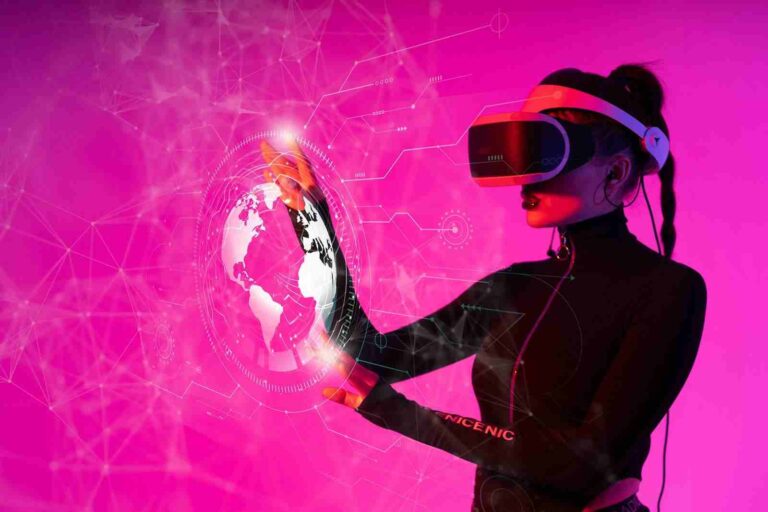
- Virtual Reality Tours: New hires might walk through their future office in a virtual world, meeting digital versions of their colleagues before their first day. The feeling of being there, even virtually, can be powerful.
The path is clear. The blend of human wisdom and digital power is shaping a new kind of workplace. Functional and Technical Dynamics 365 roles are not just helping HR departments; they are helping shape the very first feelings a person has when they join a new team. They are turning the daunting start into a delightful beginning.
Key Takeaways: Building a Brighter Start
- Teamwork is Key: Functional experts figure out what HR needs done in Dynamics 365. Technical experts figure out how to build it and connect everything. They are two halves of a whole, creating something far greater together.
- Beyond Paperwork: Automation isn’t just about speed. It makes new employees feel more welcome and supported. It frees HR to focus on people, not endless forms.
- The Future is Friendly: With smart tools like Dynamics 365, joining a company becomes less stressful and more exciting. It sets the stage for success, making the first chapter of a new job a truly happy one.
The essence of a good welcome is care. With Dynamics 365 experts, that care is woven into every digital step, making sure every new beginning feels like coming home.