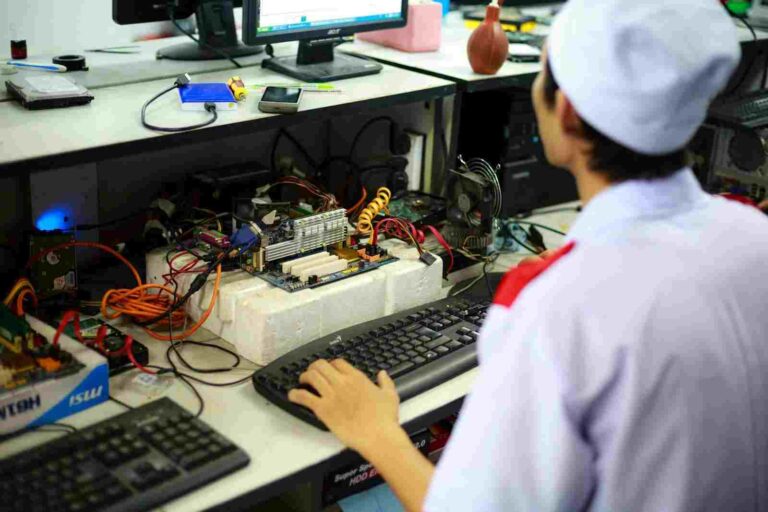
Can Refactoring Old Customizations help us unlock new insights from old data that was previously inaccessible?
Beyond the Dust: How Refactoring Old Code Unlocks Hidden Data Wisdom
Imagine a grandparent’s old, wooden chest, stored away in a quiet corner of the house. Inside, there might be faded photographs, crumpled letters, or even forgotten maps leading to places that no longer exist. Each item holds a story, a piece of wisdom from long ago. But if the chest is messy, overflowing, and things are tossed in without care, those stories remain hidden. You might glance at a picture but miss the deep meaning behind it, or overlook a letter because it’s stuck under a pile of old ribbons.
Our computer systems, especially the older ones, are often like that chest. They hold vast amounts of information—digital memories, really—collected over many years. This information, called “data,” is incredibly valuable. It tells us about what happened in the past, how things changed, and sometimes, it can even give us clues about what might happen next. But often, this old data is trapped behind special changes and fixes made to the computer programs over time. These changes, called “customizations,” were useful once, but now they make the data hard to get to. They become tangled wires, digital dust, and forgotten pathways.
The big question many smart people are asking is this: Can we clean up these old computer programs, these “customizations,” and make them better? And if we do, can we then unlock new secrets and hidden smart ideas from all that old data—things we couldn’t see or understand before? The answer, as we shall explore, is a resounding yes. It’s like finding a key to that old chest and carefully organizing everything inside. Suddenly, those old items whisper new stories.
The Digital Attic: Why Old Systems Hide Their Secrets
Think of a computer program that has been around for a long time. Maybe it’s a program that tracks how many toys a shop sells each day, or how many people visit a library, or even how many times a certain word appears in old newspaper articles. When these programs are first built, they are often neat and organized, like a brand-new house. But over time, things change. The shop owner wants to track not just toys, but also clothes. The library wants to know not just visitors, but which books they borrow most often. The newspaper editor wants to see if certain topics became more popular over the years.
To add these new features, computer engineers and people who work with programs make “customizations.” They add little rooms, build extra wings, or even put in secret passages. Sometimes, these additions are made quickly, without a master plan. Different people might add different things, using different methods. It’s like building an extra room onto a house without talking to the original architect. The house still works, but it might have strange hallways, stairs that lead nowhere, or doors that don’t quite close right.
Over many years, these little changes pile up. The program becomes complex, full of twists and turns. The data, the precious information it holds, gets stored in ways that made sense then, but not now. It might be spread across many different places, or saved in a language that newer computer tools don’t understand easily. It becomes “inaccessible” – not truly gone, just locked away behind layers of old, tangled digital spaghetti. You know the data is there, a rich vein of historical facts, but you just can’t dig it out. This is the challenge. This is the mystery we want to solve.
Refactoring: Tidying Up the Digital Mess
So, what does it mean to “refactor” these old customizations? It’s a fancy word for something quite simple and satisfying: tidying up the computer code. Imagine you have a very messy room. Refactoring is like deciding to put everything in its proper place. You might move the books to the bookshelf, the toys to their bin, and fold the clothes neatly in the drawer. It’s not about adding new things to the room; it’s about making the existing things organized, easy to find, and simple to use.
In the world of computers, refactoring means looking at the old, messy code—those customizations—and rewriting parts of them to make them clearer, simpler, and more efficient. It’s like untangling a ball of yarn, thread by thread, until you can see each individual strand and how it connects to the others. The program still does the same job, but it does it in a much cleaner, more understandable way. This often involves:
- Simplifying complicated steps: Breaking down big, confusing parts of the code into smaller, easier-to-understand pieces.
- Removing unnecessary parts: Getting rid of old code that isn’t used anymore, like throwing out old junk from the attic.
- Making things consistent: Ensuring that similar tasks are handled in the same way throughout the program, so everything makes sense.
- Updating to modern ways: Sometimes, old ways of doing things in computer programs are like speaking an old language. Refactoring updates them to a newer, more common language that newer tools can understand.
It’s a lot of careful work. It takes time and skill, much like restoring a very old painting. But the payoff is immense. When the code is clean and clear, it’s not just easier for other computer programmers to understand and work with; it also makes the data it manages much more accessible. Imagine the satisfying click of freshly organized files, neatly lined up and labeled. That’s the feeling of refactored code.
Unlocking Hidden Doors: How Refactoring Helps Us See New Things
Once the digital house is tidy, something magical happens. The walls that separated different pieces of data begin to crumble. The old, dusty corners where information hid are suddenly bathed in light.
- Clarity and Connection: When the code is clean, you can suddenly see how different pieces of data relate to each other. In that messy chest, you might not have noticed that two old letters were written by the same person, or that a photograph showed the very house described in a diary entry. After refactoring, connections become clear. You might discover that customer complaints about one product were strangely linked to a change in packaging a year earlier, a connection previously obscured by how the data was stored.
- New Tools Can Now “Read” It: Modern computer tools, especially those that use advanced “smart logic” like Artificial Intelligence (AI) and Machine Learning (ML), are like super-smart detectives. But even the smartest detective needs clear clues. If the old data is messy and jumbled, these smart tools get confused. They can’t make sense of it. But once the data is cleaned up through refactoring, these tools can swoop in. They can scan through millions of pieces of old information in seconds, finding patterns and trends that no human could ever spot. They can see the subtle shifts in customer buying habits over a decade, or how a specific type of weather impacted sales in a forgotten winter long ago. It’s like giving the detective a perfectly organized crime scene instead of a chaotic one.
- Breaking Down Walls: Sometimes, old systems were built like separate kingdoms. The sales data was in one program, customer feedback in another, and product details in a third. Refactoring helps to build bridges between these kingdoms. It allows all that old information to be brought together into one big, shared space, often called a “data lake.” Once all the old information from different places is in one big “lake,” those smart tools can swim around in it, looking at all the information at once. They can then connect the dots between sales numbers, customerRecommended Resources on Amazoncomments, and product features, revealing a much fuller picture of the past.
The Treasure Within: What Kinds of “Insights” Are We Talking About?
So, what kind of hidden wisdom can we dig up once the digital dust settles? The possibilities are surprisingly vast and deeply valuable.
- Customer Journeys Through Time: Imagine a business that has been selling clothes for fifty years. Their old computer systems hold data on what customers bought, when they bought it, and maybe even what colors and styles were popular each year. With refactoring, a company could pull all this old data together. They might discover that people used to prefer bright, bold patterns in the 1970s, shifted to muted tones in the 1990s, and are now returning to more vibrant colors. This isn’t just a fun fact; it helps the business decide what to design for tomorrow. They could see how customer preferences slowly evolved, not just what they wanted last month.
- Unseen Business Trends: An old program might have tracked every single sale a store made for decades. By refactoring, a company could analyze this massive historical sales data. They might find that every ten years, there’s a surge in demand for a certain type of gadget, or that a particular holiday always causes a dip in sales of specific items. These are “trends”—patterns that repeat. Knowing these trends, a business can make smarter choices about what to stock, when to run sales, and how to plan for the future. It’s like finding a secret rhythm in the market that was always there, but unheard.
- Historical Patterns and Societal Shifts: Data isn’t just about business. Think of old government records, like how many people lived in a city each year, or what types of jobs were most common. By making this old data accessible, historians and researchers could find new connections. They might see how a major natural event, like a long drought, led to big changes in where people lived, or how the rise of new inventions changed how people spent their money. This helps us understand how society itself has changed and adapted over long stretches of time. It’s like re-reading a history book with much clearer eyes.
- Unexpected Connections: Sometimes, the most valuable insights are the ones no one expected. A company might have old data on product returns and old data on marketing campaigns. Before refactoring, these might have seemed like separate piles of information. But after tidying up, they might discover a surprising link: a certain type of advertisement, used years ago, actually led to a higher rate of product returns, even though it looked successful at the time. This kind of “Aha!” moment can help avoid past mistakes and find completely new paths to success. It’s like discovering that two distant stars are actually part of the same constellation.
A Mini-Story: The Town of Evergreen’s Hidden History
In the small, quiet town of Evergreen, the town hall had a very old computer system. It held all the town’s records: property sales from the 1950s, birth certificates from the 1960s, and notes on every town meeting since the 1970s. But the system was a mess. Every time a new mayor or town clerk came in, they added a little “customization” to make it work for them. Some records were stored one way, others another. Finding anything specific was like digging through a digital haywire. The data was there, a deep well of local history, but it was practically unusable.
The town decided to “refactor” their old system. They hired a team to carefully go through the old code, making it clean and organized. They didn’t change what the records said, but they changed how the records were stored and how the programs accessed them. It was a long, patient process, like restoring an old, faded town map.
Once the refactoring was done, the town’s historical society got excited. Using new, smart computer tools, they started looking at the data. What they found surprised everyone. They discovered a clear pattern of floods in a certain part of town every 25 years, a pattern nobody had noticed before because the old weather records and property damage reports were stored separately. They also found that during certain economic downturns, people shifted their focus from farming to small crafts, an insight that helped the current town council think about new ways to support local businesses during tough times. The old, inaccessible data, once just a jumbled mess, became a guide for the future, whispering the wisdom of generations past.
The Wisdom of the Past, The Power of the Present
There’s a deep truth here, beyond just technology. We often get excited about new things—new data, new ideas, new ways of doing business. But sometimes, the greatest wisdom lies hidden in what we’ve already collected, in the stories from our past. When we refactor old customizations, we’re not just fixing a technical problem; we’re performing an act of digital archaeology. We are digging through layers of the past to uncover forgotten treasures.
This practice encourages us to value our history, not just the history of people and places, but the history of our digital lives. It reminds us that every piece of information, no matter how old or seemingly insignificant, might hold a vital clue to understanding the present or shaping the future. It’s about remembering that the roots of our current world are deeply intertwined with what came before.
Looking ahead, the ability to unlock these old insights will become even more important. As new challenges arise, whether in business, health, or even managing our environment, knowing the long-term patterns from old data can give us a powerful advantage. It allows us to learn from past successes and failures, to see where trends began, and to avoid repeating old mistakes. It’s like having a wise old mentor who remembers everything and can share those memories clearly and completely.
Of course, there are challenges. Refactoring is a big job, sometimes like cleaning out not just one attic, but an entire old mansion. It takes skilled people, patience, and a clear vision. Not every old piece of data will reveal a grand new secret. But the potential rewards, the flashes of unexpected understanding, are well worth the effort. We must also be careful with this newfound power, using insights from old data wisely and ethically, always remembering the people behind the numbers.
Summary and Key Takeaways
The journey through old computer systems and their forgotten data is a fascinating one. It reminds us that every line of code, every piece of information, tells a story.
- Old customizations can hide valuable data: Over time, hurried changes to computer programs can make the information they hold hard to reach and understand. It’s like a messy, overflowing chest where treasures are buried.
- Refactoring is tidying up the digital mess: This means cleaning, simplifying, and organizing old computer code. It doesn’t add new features but makes the existing ones clearer and more efficient.
- Clean code unlocks hidden insights: Once the data is easier to access, powerful new tools, like smart AI programs, can analyze it. They can find patterns and connections that were previously invisible.
- New understanding from old information: These insights can reveal surprising truths about customer behavior, business trends, historical patterns, and even unexpected relationships between different pieces of information.
- Valuing the past for a better future: This process isn’t just about technology; it’s about respecting the information we’ve gathered and using the wisdom from yesterday to make smarter decisions for tomorrow.
In the end, refactoring old customizations is more than just a technical task. It is a way of honoring our digital past, giving voice to forgotten information, and ensuring that the whispers of yesterday can become the guiding wisdom for today and all our tomorrows.