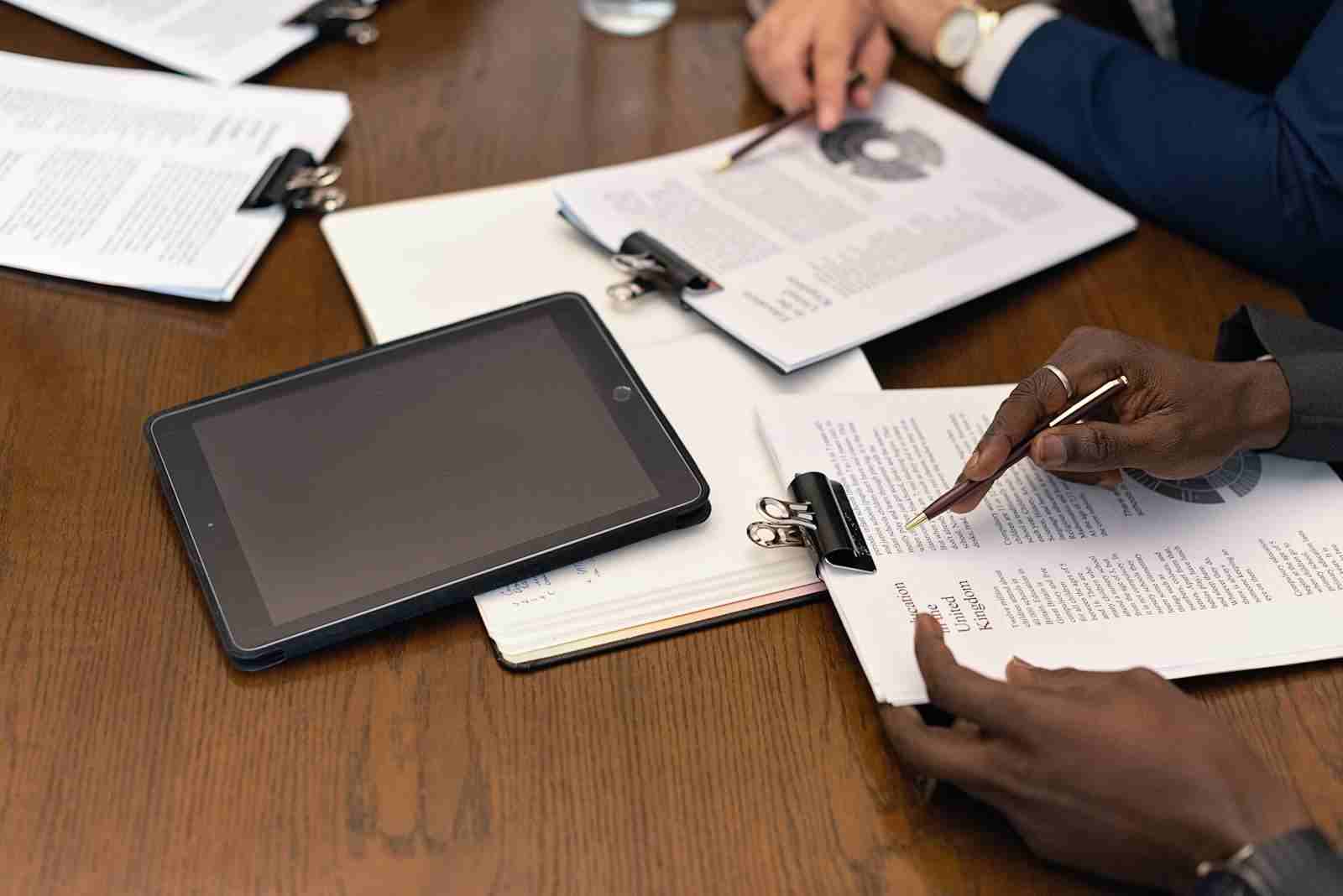
The Small Team That Makes You Forget They Are Small
A client once sat in a meeting with a tiny three-person team and left thinking they were a global corporation. He wasn't being nice. He was genuinely confused. He kept looking for the "other" employees, the fancy lobby, and the massive headquarters. But there were no secret offices. There was just a small group of people who knew exactly what they were doing.
It is a strange phenomenon. In the business world, we often assume that size equals strength. We think bigger offices mean better service, and more employees mean more expertise. But sometimes, that is just a loud illusion.
There are tiny businesses that punch way above their weight. They don't have huge marketing budgets or armies of assistants. Yet, they manage to look more professional, more reliable, and more competent than companies with hundreds of staff.
How do they do it? It isn't magic. It is a very specific way of working.
The Art of Looking Prepared
Most big companies suffer from a certain kind of laziness. Because they have so much money and so many people, things often fall through the cracks. Emails go unanswered for days. Meetings are disorganized. Documents are messy.
Tiny businesses don't have that luxury. If they drop a ball, the whole game is over.
So, they focus on the small things that create a big impression. They answer an email in twenty minutes instead of two days. They show up to a video call with a clean background and a clear connection. They send a follow-up note that actually summarizes the points discussed, rather than a generic "thanks for the meeting. "
These aren't massive structural advantages. They are just habits. But to a client, these habits feel like "professionalism. " When a small team is consistently organized, the client stops worrying about their size. They start focusing on the results.
The Power of Being a Person, Not a Logo
Big corporations often hide behind layers of jargon and automated responses. You call a support line and talk to a machine. You email a "support@" address and get a template response. It feels like talking to a wall.
Small businesses do the opposite. They lean into the fact that they are humans.
When a client speaks to a small team, they often speak to the person who actually makes the decisions. There is no middle manager to pass the buck to. There is no "let me check with the department" excuse.
This creates an incredible amount of trust. People trust people. They don't necessarily
Doing Less, But Doing It Better
There is a huge temptation for growing businesses to say "yes" to everything. They want every client, every project, and every dollar. But this usually leads to a messy, stretched-thin operation that looks amateur.
The smartest small players do something counter-intuitive. They say "no. "
They pick a specific thing and they do it exceptionally well. Instead of being a "general business services" company, they might be "the people who fix specific accounting workflows. " By narrowing their focus, they become experts.
Expertise is a shortcut to appearing competent. If you are the person who solves a very specific, very annoying problem, no one cares if you work from a kitchen table or a skyscraper. They just care that you know how to fix it.
They don't try to mimic the giants. They offer something the giants can't: precision and presence.
The Digital Polish
In the modern world, your "office" is often just a website and a LinkedIn profile. This is where the tiny businesses win or lose the battle of perception.
A small team with a cluttered, broken website looks like a hobby. A small team with a clean, fast, and purposeful website looks like a specialist.
They use tools to bridge the gap. They might use polished scheduling software so a client can book a meeting without a back-and-forth email chain. They might use high-quality project management tools so the client can see progress in real-time.
These tools act as a digital veneer. They provide the structure that a large company would normally provide through sheer manpower. It is about using technology to simulate the scale of a department, even when it is just one person.
The Cost of Excellence
Of course, this way of working is exhausting. You cannot stay this organized forever without a system. It requires a level of discipline that most people find difficult to maintain. It means being "on" even when you are tired. It means double-checking the small details when you would rather just go home.
It is a heavy way to live. But it is also a very effective way to grow.
Small businesses that punch above their weight aren't trying to trick anyone. They aren't wearing a mask. They are simply realizing that in a world full of loud, disorganized giants, there is a massive amount of room for people who are quiet, organized, and incredibly good at what they do.
Ultimately, competence doesn't need a lobby. It just needs a standard.