# The Sticky Note Trap: Why Your "System" is Actually a Mess
A single yellow square of paper is currently holding your entire professional life together.
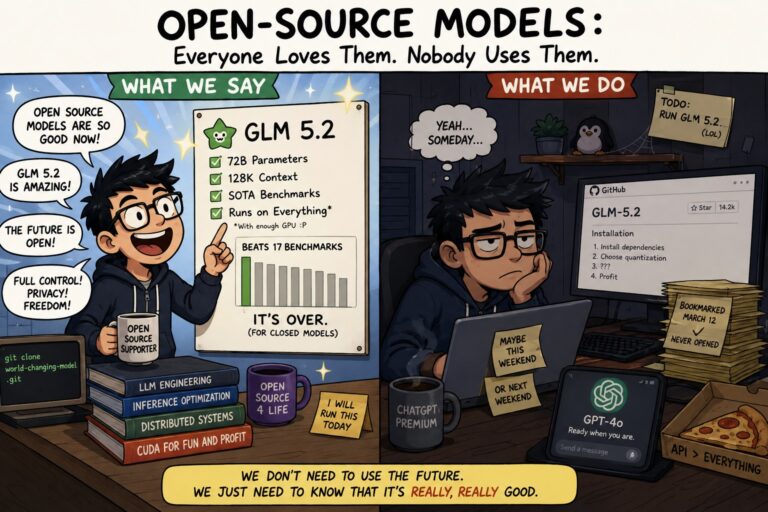
It's sitting on the corner of your monitor. It has a scribbled phone number, a deadline for a project you barely remember, and a grocery list that somehow ended up in your office supplies. You tell yourself it's just a temporary measure. You tell yourself that once you "get around to it, " you'll build a beautiful, logical folder structure on your computer where everything lives in perfect harmony.
But we both know that's a lie.
The truth is, most of us aren't actually organized. We are just really good at managing chaos through sheer willpower and a mountain of colorful paper. We live in a state of "sticky-note dependency. " We rely on our eyes physically seeing a reminder to keep our brains from exploding.
It feels productive in the moment. It feels tactile. But it's actually just a slow-motion disaster waiting to happen.
The Illusion of Control
There is a strange comfort in a mess. When you see a pile of notes or a desktop covered in random files named "Draft_v2_FINAL_actualfinal. pdf, " your brain thinks, I know where that is. You have a mental map of the clutter.
But mental maps are unreliable.
The problem with relying on physical scraps or unorganized digital files is that they don't scale. You can manage five notes. You can manage ten folders. But when you have fifty clients, hundreds of invoices, and thousands of documents, the mental map breaks. Eventually, you lose something important. You spend forty-five minutes looking for a contract that should have taken five seconds to find.
That isn't just an inconvenience. It is a quiet tax on your time, your energy, and your sanity.
Why Digital Filing Fails Most People
When people decide to stop using sticky notes, they usually rush into a new mistake: the "Folder Abyss. "
They create a folder called "Work. " Inside, they put everything. Then they realize "Work" is too big, so they create "Clients. " Then "Clients" becomes "Client A, " "Client B, " and so on. Within a week, they have ten levels of nested folders. To find one single receipt, they have to click through a digital labyrinth that feels more like a dungeon than an office.
Digital organization fails because we try to make it too complex too fast.
A good system shouldn't require a PhD to navigate. It shouldn't be a puzzle you have to solve every morning. If you have to think too hard about where a file goes, you will eventually stop putting it anywhere. And then, we are right back to the sticky notes.
Building a System That Actually Sticks
So, how do we move from chaos to something resembling order? It starts with being honest about how our brains actually work.
Most of us aren't "filing" people. We are "searching" people.
In the old days, offices were organized so you could walk to a cabinet and pull a drawer. Today, we have search bars. Instead of worrying about the perfect folder hierarchy, focus on naming.
A file named 'Invoice. pdf' is a ghost. It haunts your computer because you know it exists, but you can never find it. A file named '2023_Oct_Smith_Invoice. pdf' is a solid object. It can be found by a search bar in a heartbeat.
Here are a few practical rules for a better workflow:
The Rule of Three: Try not to go more than three folders deep. If you need more depth, your categories are too specific. Standardize the Name: Pick a format-date, client, project-and stick to it religiously. Consistency is more important than the specific format you choose. * The "End of Day" Sweep: Take five minutes before you leave to go through your "Downloads" folder and clear out the digital junk.
The Philosophy of Less
There is a deeper lesson here about how we approach our work. We often equate "busy" with "productive. " A desk covered in notes looks like the desk of a hard worker. A computer desktop cluttered with icons looks like the workstation of a genius.
But true efficiency is often very quiet.
A truly organized person doesn't have a lot of tools or complex systems. They have a clear path. They have removed the friction between their intention and their action. When you don't have to hunt for information, you can actually spend your time using it.
Organization isn't about being perfect or having a minimalist aesthetic. It's about reducing the number of times your brain has to say, "Wait, where did I put that? "
Every time you find a file instantly, you win a tiny bit of your life back. Those tiny wins add up. Eventually, you might even find that you have enough room on your monitor to actually see the wallpaper.