# The Ghost in the Software Budget
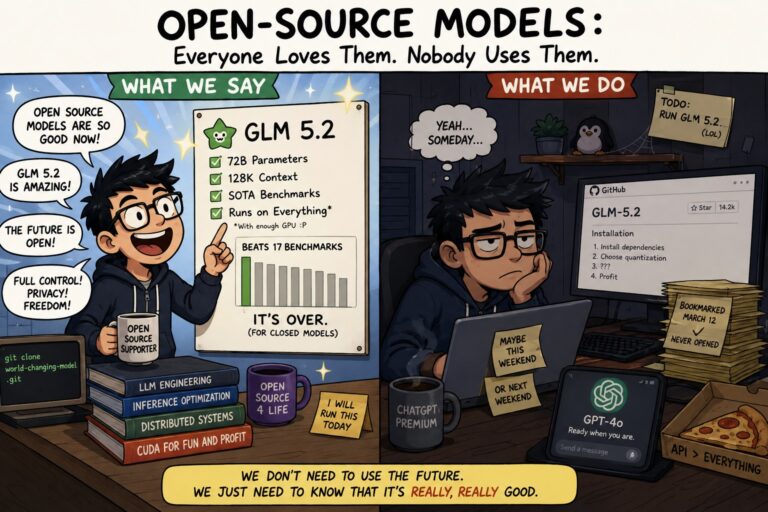
It is a Tuesday morning, and the office feels normal. Coffee is brewing, emails are pinging, and everyone looks busy. But there is a quiet, expensive problem hiding in plain sight. Somewhere in your digital ecosystem, there are hundreds of licenses for software that nobody is actually opening.
It is a strange kind of waste. It is not like leaving the lights on in an empty room. It is more like paying a monthly subscription for a gym membership you haven't used since 2022, but on a massive, corporate scale.
In the business world, we call this "shelfware. " It is software that sits on the digital shelf, gathering virtual dust, while the company credit card keeps sweating.
The Illusion of Productivity
We often think that more tools mean more work gets done. We buy a fancy project management tool. We subscribe to an advanced design suite. We pay for a premium communication platform.
The logic seems sound: if we have the best tools, we will be the best team.
But there is a gap between owning a tool and using it.
Sometimes, a team gets a new piece of software and they are excited for exactly three days. Then, the old habits kick in. They go back to using spreadsheets because the spreadsheet is familiar. They use email because it is easy. They use a free messaging app because it is already on their phones.
Suddenly, you are paying for a high-tech cockpit, but your team is still driving a bicycle.
Spotting the Digital Ghosts
How do you know if you are being tricked by your own budget? You can't just walk around the office and look at people's screens. That is creepy, and quite frankly, it doesn't work.
Instead, look at the data. Most modern software comes with an admin dashboard. This is where the truth lives.
- Login Frequency: Are people logging in once a month? Or not at all?
- Feature Depth: Are they using the "Pro" features you are paying extra for, or are they just using the basicRecommended Resources on Amazonstuff?
- Seat Utilization: You paid for fifty licenses. Are only twelve people actually active?
If you see a pattern of low engagement, you aren't looking at a "learning curve. " You are looking at a leak in your bank account. It is a slow, quiet drain that most people ignore because it is buried in a spreadsheet.
Why Do People Avoid New Tools?
If the software is good, why don't they use it? It usually isn't because they are lazy. It is much more human than that.
Change is heavy. Learning a new interface feels like learning a new language while you are already trying to run a marathon. When a person is stressed or busy, the path of least resistance wins every single time. The "old way" is safe. The "old way" doesn't require a tutorial.
There is also the problem of "tool fatigue. " If a company introduces a new app every six months, people stop caring. They stop trying to master them. They just wait for the next one to arrive, hoping this one won't be a headache.
It is a bit sad, really. We build these incredible machines to help us, but we sometimes find them too complicated to actually touch.
Doing Something About It
You don't have to cancel everything and go back to paper and pens. That would be a mistake. You just need to be a bit more intentional.
First, stop the bleeding. If you find software that is barely used, cancel it. You can always buy it back later if someone actually needs it.
Second, ask why. If a department isn't using a tool, talk to them. Is it too hard? Is it broken? Or do they just hate the way it looks? There is a big difference between a tool that is useless and a tool that is poorly taught.
Third, simplify. It is better to have three tools that everyone knows how to use perfectly than ten tools that everyone struggles to use poorly.
Business isn't just about having the best technology. It is about making sure that technology actually works for the people using it. Otherwise, you aren't building a digital powerhouse. You are just building a very expensive museum.