The Midnight Ping of Doom
A phone vibrates on a bedside table at 11: 14 PM. It isn't a notification about a funny cat video or a text from a friend. It is a work email. Or worse, a message in a group chat asking a question that could definitely wait until tomorrow morning.
That tiny vibration feels like a heavy weight. There is a specific kind of guilt that settles in your chest when you see a work notification during your "off" hours. You feel like if you don't answer, you aren't doing your job. You feel like you are letting the whole team down.
But here is a question that most people are too scared to ask: If your business or your job collapses because you took three hours to eat dinner or sleep, do you actually have a business? Or do you just have a very demanding, high-stress hobby?
Being "always on" feels like a superpower. We tell ourselves it makes us reliable. We think it shows commitment. But in reality, it often just shows that our processes are broken.
The Myth of the Heroic Responder
There is a strange idea in modern offices that the person who answers the fastest is the most valuable. We celebrate the person who sends an email at 2: 00 AM. We praise the employee who is "always reachable. "
But being a hero is exhausting. And heroes eventually burn out.
If a team relies on one person to solve every small problem instantly, that isn't a team. It is a bottleneck. A real, healthy business is built on systems that can breathe without a specific person constantly watching them.
Think about it this way. If a ship can only stay afloat if the captain is literally holding a bucket to bail out water every ten minutes, that ship is poorly designed. The captain shouldn't be a hero; the ship should just work.
Reliability shouldn't mean being a servant to your notifications. It should mean that when you are working, you are doing great work, and when you are not, the work continues smoothly.
The Cost of Constant Connection
We often forget that our brains aren't designed to switch gears every thirty seconds. Every time you jump from a movie or a conversation into a work problem, your brain pays a tax.
It takes time to settle back into "real life" mode. You might be physically sitting on the couch, but mentally, you are still debugging a spreadsheet or arguing about a deadline. You aren't actually resting. You are just working in a different location.
This constant switching leads to a shallow kind of living. You are never
It is a quiet kind of theft. It steals your focus, your peace, and eventually, your creativity. Creativity needs space. It needs the boredom that comes from not looking at a screen. If your brain is always processing work data, it never has the chance to dream up the next big idea.
Building a World That Works Without You
So, how do you stop the cycle? It starts with a very uncomfortable realization: You have to set boundaries, even if it feels "unprofessional" at first.
Setting boundaries isn't about being lazy. It is about being sustainable.
First, look at the "why. " Why did that person message you at 11 PM? Was it a true emergency, like a server melting down? Or was it just someone else's poor planning? Most "emergencies" are just people being disorganized.
Second, teach people how to treat you. If you always answer at midnight, you are training your clients and your team to expect answers at midnight. You are setting the rules of your own prison.
If you start responding at 8: 00 AM instead, people will eventually learn that 8: 00 AM is the new "start" time. It takes a little bit of friction at the beginning, but it creates a much better rhythm in the long run.
Third, build documentation. If people have to ask you where things are or how things work every single time, they will keep asking. If you write it down once in a place everyone can see, they can find it themselves.
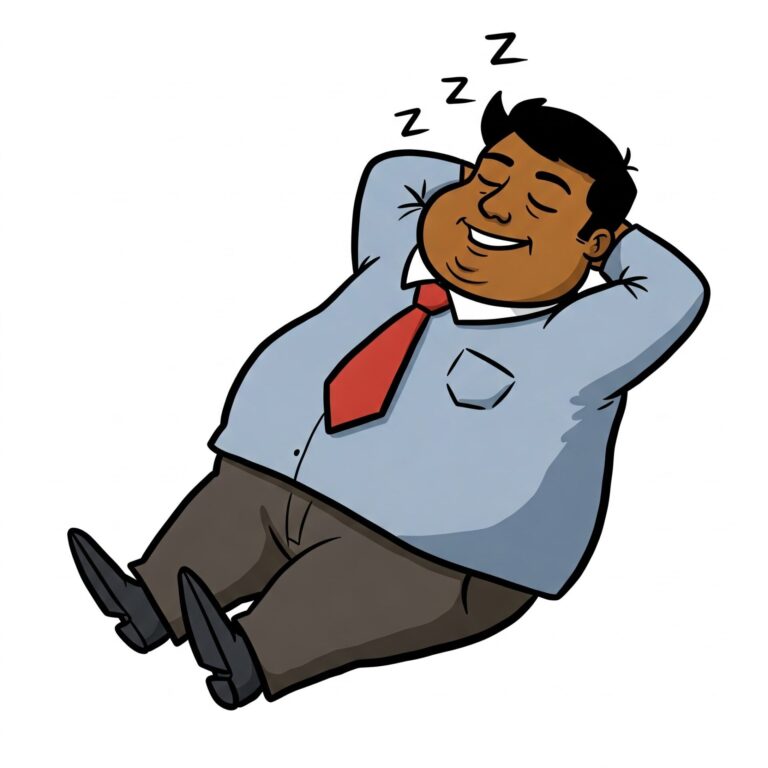
A business that runs while you sleep is a successful business. A business that breaks when you sleep is just a job that owns you.
The Quiet Strength of Disconnecting
There is a certain kind of power in being unavailable. It shows that you respect your time, which teaches others to respect it too. It shows that you have a life, which makes you a more well-rounded human being.
We spend so much time trying to prove we are indispensable. We want to be the person everyone needs. But the ultimate goal of any professional should be to build something so solid and so well-organized that they aren't needed for every tiny thing.
True professional maturity is knowing when to step away. It is knowing that the world will not end if you put your phone in a drawer.
In the end, work is just one part of the human experience. It shouldn't be the whole thing. We work to live; we don't live to work.
The next time that phone vibrates in the middle of the night, ask yourself: Is this a real fire, or am I just letting someone else's smoke get in my eyes?