The Bedroom Office Trap
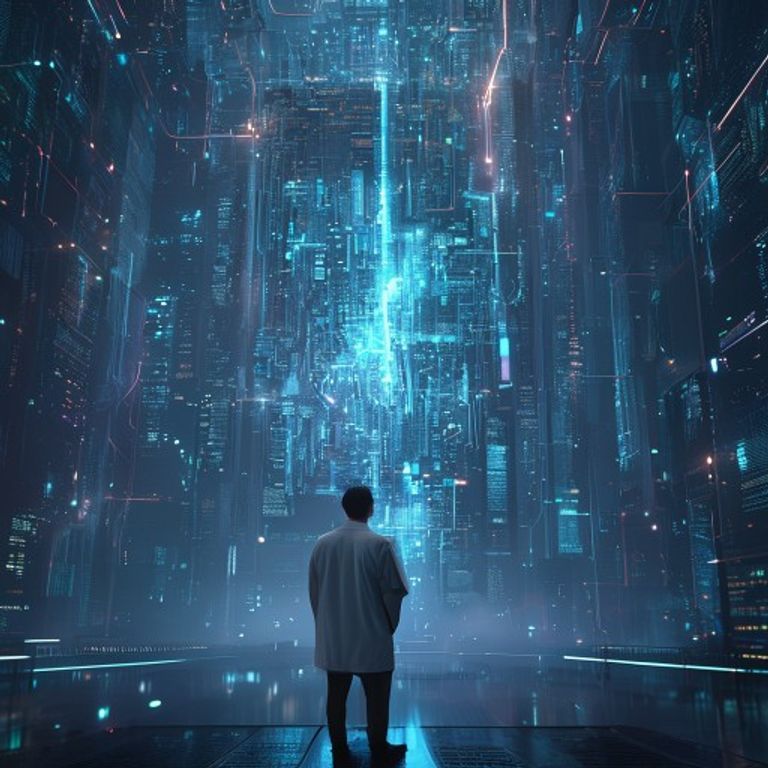
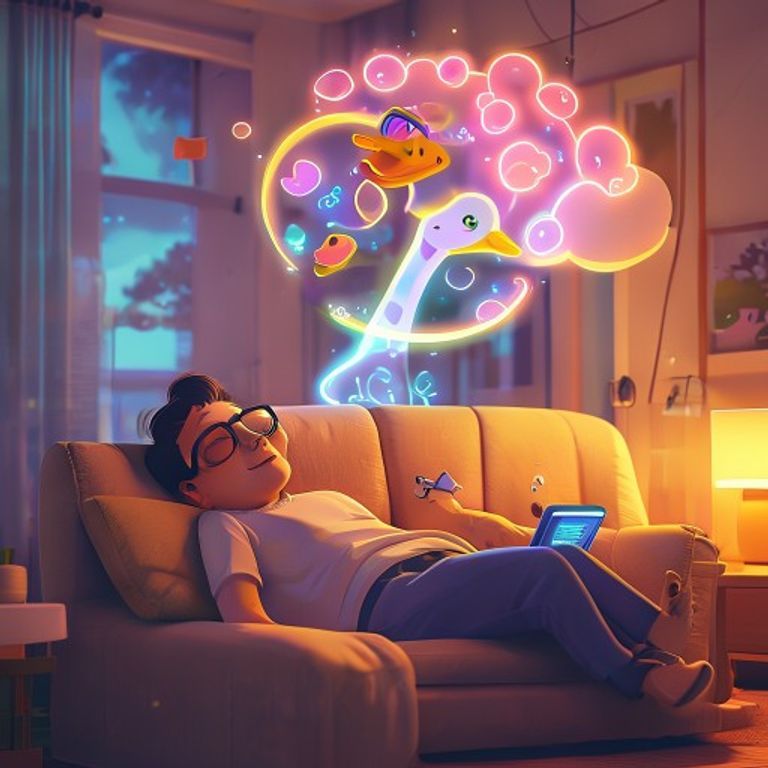
Last Tuesday, a friend of mine sat staring at a glowing laptop screen in a room that smelled faintly of cold coffee and unwashed laundry. He wasn't working on a revolutionary new app or a billion-dollar idea. He was actually just trying to figure out why a single line of code was breaking his entire system. He had been in that same chair for fourteen hours. His "office" was a corner of his bedroom, and his "coworkers" were a pile of books and a very judgmental cat.
This is the reality of the solo founder. It isn't all high-speed internet and freedom. Most of the time, it's just a person alone in a room, trying to build a mountain out of grains of sand.
The biggest problem isn't the lack of money or the difficulty of the tech. It is the emotional tether. When you are the only person in charge, the business isn't just something you do. It becomes something you are.
If the business has a bad day, you have a bad day. If a client sends a grumpy email, it feels like a personal attack on your soul. There is no one to walk away from at 5: 00 PM, because the office is five feet away from your pillow. You never truly leave work. You just move from the "work chair" to the "sleep bed, " carrying the stress with you like a heavy backpack you can't take off.
The Myth of the Lone Genius
We often hear stories about people who built empires from their garages. We see the polished versions on social media. We see the success, but we rarely see the burnout.
Building something scalable means creating a system that can grow without needing you to do every single tiny task. But how do you build a system when you are the only part of the system?
It creates a strange loop.
- You want to grow.
- To grow, you need to do more.
- To do more, you work longer hours.
- Longer hours lead to exhaustion.
- Exhaustion leads to mistakes.
- Mistakes slow down growth.
It is a cycle that feels impossible to break. Many founders think the solution is just "working harder. " They think if they can just push through one more week, they will reach the peak. But burnout isn't a lack of willpower. It is a biological reality. You cannot outwork a brain that has run out of fuel.
The Scalability Paradox
Scalability is a fancy word for something that works even when you aren't touching it. Think of a vending machine. You put money in, a snack comes out. The machine doesn't get tired. It doesn't need
A solo founder, however, is more like a manual lemonade stand. You have to squeeze every lemon. You have to pour every cup. Every time you want to sell more lemonade, you have to squeeze more lemons. Eventually, your hands start to ache.
To move from the "lemonade stand" to the "vending machine, " you have to stop doing everything yourself. But for a solo founder, letting go is terrifying. If you automate a process, what if it breaks? If you hire a freelancer to help, what if they do it wrong?
The fear of losing control is often what keeps a business small. We hold onto the tiny tasks because they feel safe. We tell ourselves, "It's faster if I just do it myself. "
But that is a lie. It is a short-term gain that leads to a long-term wall.
Finding a Middle Ground
So, can it be done? Can you build something big without losing your mind?
It requires a shift in how you see your role. You have to stop being the "doer" and start being the "architect. " An architect doesn't lay every brick. They design how the bricks should fit together so that others (or machines) can do the heavy lifting.
This might mean:
- Using software to handle the boring stuff.
- Setting strict boundaries for when the "office" is closed.
- Accepting that a "good enough" version of a task is better than a "perfect" version that takes ten hours.
It is also about mental space. If your entire identity is wrapped up in your code or your product, any setback feels like a death. You have to find something else to be. You need a hobby that has nothing to do with profit. You need a walk that has nothing to do with "idea generation. "
Space provides perspective. When you are too close to the screen, all you see are the pixels. When you step back, you can actually see the picture.
The Truth About the Journey
Building a business alone is a heavy weight to carry. It is a lonely, messy, and often quiet struggle. There is no applause in a bedroom at midnight.
But there is also a unique kind of freedom in it. You get to decide what matters. You get to build something that stays behind when you go to sleep.
The goal shouldn't just be to build a big company. The goal should be to build a life that you actually want to live once the company is built. If you burn yourself to a crisp just to finish the race, what is the point of winning?
Maybe the most scalable thing you can build is a version of yourself that knows when to stop.