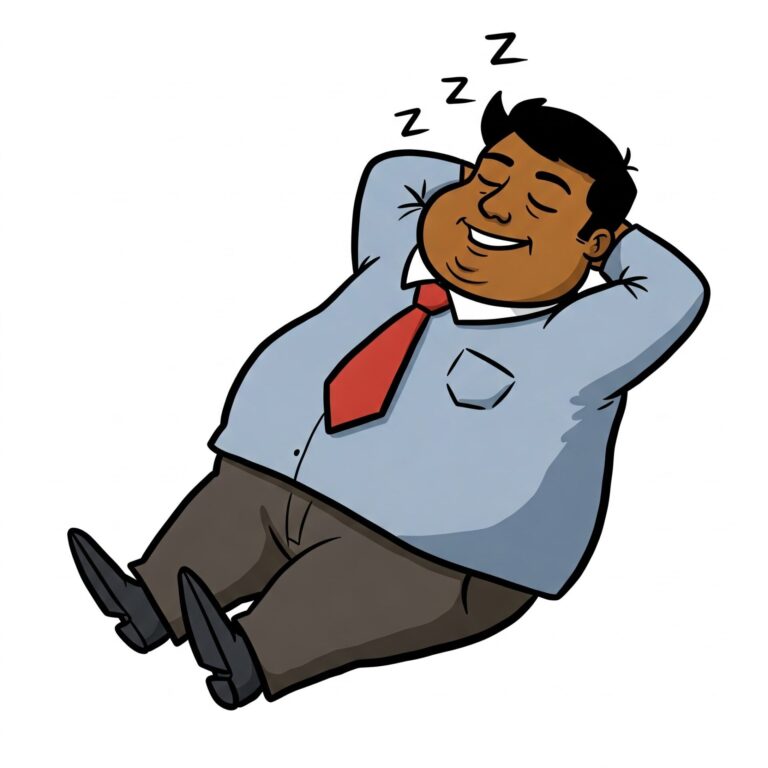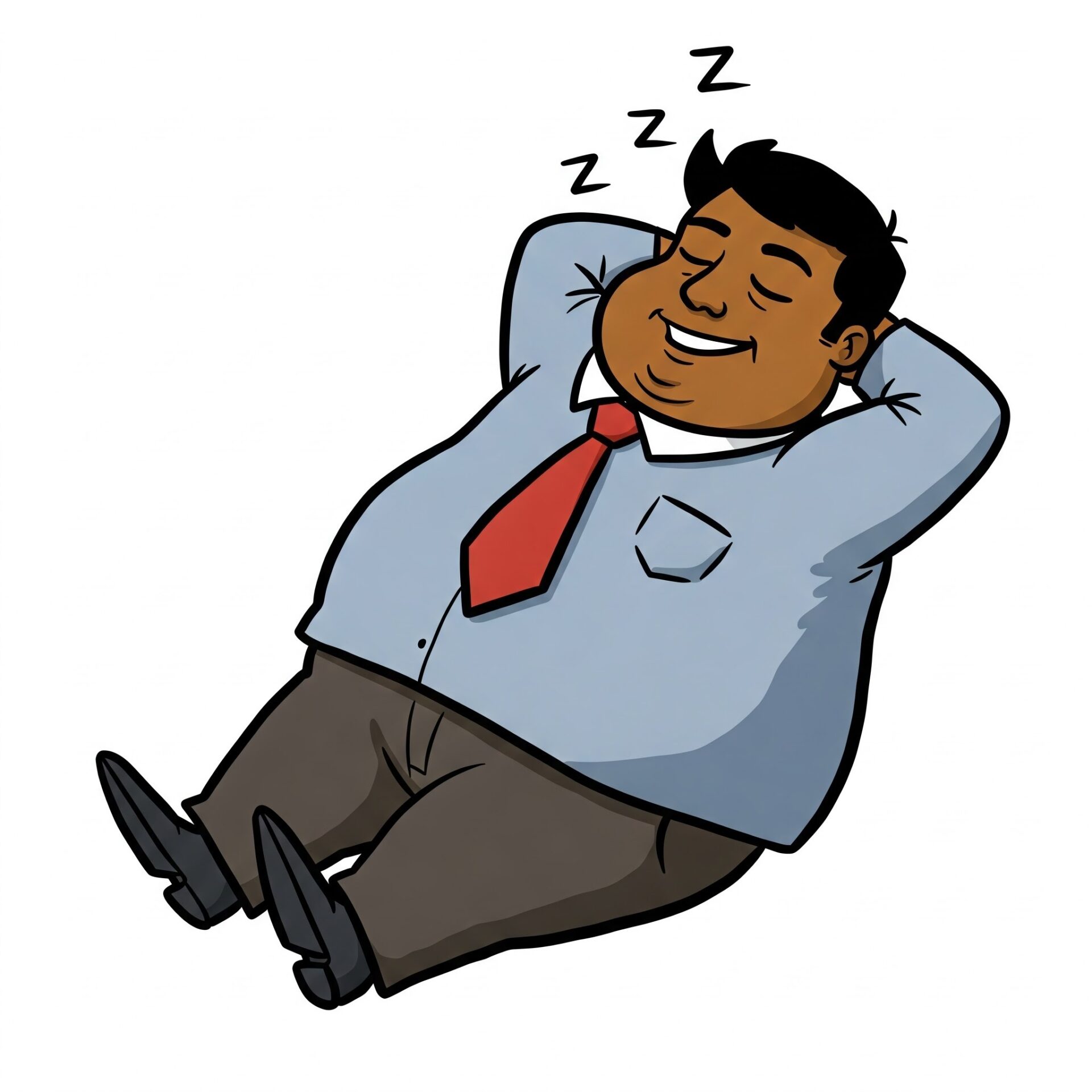
Sleep seems simple. We close our eyes, rest quietly, and expect renewal. Yet sleep may influence how quickly our bodies grow older. New research is making that everyday habit much more interesting.
Scientists are studying something called biological aging clocks. These clocks try measuring how old our bodies really seem. That number can differ from our actual age significantly. Someone may be forty years old, while their body appears older.
The idea changes how we think about aging. Growing older is not only about counting birthdays anymore. Scientists can study biological information linked with the aging process. Sleep may become one important piece of that larger puzzle.
Your Birthday Tells Only Part Of Your Story
Age has always been easy to measure. We simply count the years since someone was born. Biology, however, does not always follow that neat calendar. Different people can age at noticeably different speeds.
Think about two people born during the same year. Their bodies may still show very different signs of aging. One person might appear healthier, while another seems physically older. Their daily habits could help explain some of those differences.
Scientists therefore want better ways to measure biological aging. Aging clocks are one attempt at solving that problem. They use biological information to estimate someone’s aging pattern. Machine learning helps find patterns that humans might miss.
These clocks can use information from blood samples. Some tests examine proteins found within those samples. Those proteins can provide clues about what happens inside our bodies. The goal is not predicting birthdays, but understanding biological change.
The Sleep Connection Is More Interesting Than It Sounds
Sleep is not merely empty time. While sleeping, our bodies continue performing important work. The brain and body follow complex patterns during those quiet hours. That makes sleep a natural place to study aging.
The research described here connects sleep patterns with biological aging. Too little sleep may be linked with faster aging. Too much sleep may also show a similar connection. That creates an interesting problem because moderation suddenly matters more.
Most people already know that poor sleep feels unpleasant. After one restless night, concentration can become harder. Your eyes feel heavy, and simple tasks suddenly require more effort. But the deeper question concerns what repeated sleep patterns might change.
That question reaches beyond feeling tired tomorrow. It asks whether sleep habits may influence long-term biological health. Aging clocks give researchers another way to examine that possibility. They turn an ordinary bedtime habit into measurable biological information.
Half A Million People Offer A Remarkable Window
The scale of the research makes this especially interesting. Wen used information from about half a million participants. Those participants came from the UK Biobank database. Such a large group can reveal patterns hidden inside smaller studies.
Imagine trying to understand a forest from ten trees. You might notice something real, but your view remains limited. Now imagine studying hundreds of thousands of trees together. Patterns become easier to spot across many different conditions.
The same basic idea applies here. Large datasets can help researchers discover broad links between habits. Machine learning becomes useful because the information can become extremely complicated. Computers can search through those patterns much faster than people.
Still, finding a pattern does not automatically prove cause. That distinction matters when discussing health research. A connection between sleep and aging does not explain everything. Many other factors can influence both sleep and biological aging.
Why Aging Clocks Could Change Medicine
Aging clocks could become useful tools someday. Doctors already measure many familiar things, including blood pressure. Future health checks might examine biological aging more closely. Sleep could become another important part of those assessments.
Imagine visiting a doctor for a routine health check. Alongside familiar tests, you receive information about biological aging. Your result suggests your body appears older than expected. That information could encourage changes before bigger problems become visible.
But such tools could also create new worries. People might begin treating an estimated number like an absolute truth. A biological age reading could become another source of unnecessary anxiety. Nobody needs a new scoreboard for worrying about themselves.
The best use would probably involve context. Aging clocks should support better decisions rather than create fear. They could help doctors notice patterns worth examining more closely. They could also help researchers understand which habits matter most.
Sleep Could Become A Personal Health Signal
Sleep tracking is already becoming part of everyday life. Watches and phones can estimate how long people sleep. Some devices also record breathing, movement, and nighttime patterns. Aging clocks could eventually make those measurements more meaningful.
Imagine waking up on an ordinary Tuesday morning. Your device does more than report yesterday’s sleep duration. It shows how your sleep pattern has changed over several months. That long view could reveal habits you barely noticed yourself.
For example, someone might regularly sleep five hours nightly. They may feel fine because their routine became familiar. A longer record could reveal that their body responds differently over time. That information might encourage them to reconsider their schedule.
Another person might sleep for very long periods. They could assume more sleep automatically means better recovery. Future research may show that the relationship is more complicated. More time in bed does not necessarily mean better biological outcomes.
The Future May Focus Less On Sleep Rules
For years, sleep advice has often sounded strangely simple. Sleep more, sleep better, and keep regular hours. Those suggestions remain useful, but biology may be more complicated. The ideal amount of sleep could vary between different people.
This could lead toward more personal health advice. Instead of asking only how many hours someone sleeps, doctors might ask more questions. They could examine sleep patterns alongside other biological signals. Machine learning might help identify useful combinations within that information.
That would represent a quiet change in medicine. Health advice could move from broad rules toward personal patterns. Instead of one perfect number, people might receive individual guidance. Your body could become the most important reference point.
The Hidden Business Behind Biological Aging
Aging clocks could create entirely new health services. Companies might build tools that track biological aging over time. Clinics could offer tests that combine blood information
Sleep coaching could also become more personalized. Instead of simply recommending earlier bedtimes, services could study individual patterns. They might connect sleep information with biological aging measurements. That could create a new market around long-term health tracking.
Another opportunity could involve workplace health programs. Employers already care about productivity, absence, and employee wellbeing. Biological aging tools might eventually become part of wellness programs. However, privacy would become extremely important in that world.
There could also be new research businesses. Companies might build better aging clocks using larger datasets. Others could develop simple blood tests for biological age. The biggest opportunity may come from combining several health signals together.
Yet there is an obvious danger here. Health information can become valuable in ways people never expected. Insurance companies or employers might want access to biological age data. Society would need strong rules before such tools became widely trusted.
The Quiet Risk: Turning Health Into A Score
Numbers can help us understand complicated things. They can also make complicated things feel falsely simple. A biological age score might look precise, even when uncertainty remains. Humans naturally trust numbers because numbers appear calm and objective.
Imagine receiving a biological age score every morning. One bad night changes the number slightly. Suddenly, bedtime feels like another performance test. Something meant to improve health could instead create stress.
That would be an unfortunate irony. We could end up worrying about sleep while trying harder to sleep. The pressure itself might make restful nights more difficult. Sometimes the healthiest habit becomes unhealthy when measured obsessively.
Privacy creates another difficult question. Biological information is deeply personal and potentially powerful. People should understand who collects it and why. The future of aging clocks will depend partly on those safeguards.
What Happens If We Learn To Slow Biological Aging?
This research points toward a much larger question. What if biological aging becomes increasingly measurable? Once something can be measured, people usually try changing it. That pattern has shaped medicine, fitness, education, and technology.
Better aging clocks could accelerate research into healthy aging. Scientists could compare lifestyle patterns with biological changes more carefully. They might identify habits linked with slower biological aging. Sleep could become one part of that much bigger picture.
Over five years, these tools could become more common. Over ten years, they might enter routine health research. Over twenty years, biological age could become a familiar health measurement. That future remains uncertain, but the direction is fascinating.
The optimistic future is easy to imagine. People discover useful habits earlier and receive better personal guidance. Doctors gain another tool for spotting possible health risks. Aging becomes something we understand more clearly rather than simply endure.
The pessimistic future looks different. Companies turn biological age into another product to sell. People become obsessed with improving their numbers constantly. Wealthier people gain access to better tools while others remain excluded.
The unexpected future could be stranger still. Biological age might eventually matter less than resilience. Instead of asking how old your body seems, doctors might measure recovery. The strongest body may become the one that adapts best after stress.
Three Strange Possibilities Worth Watching
Consider the first unusual possibility. Sleep recommendations could eventually become completely personal. Your ideal sleep schedule might differ from your neighbor’s schedule significantly. Technology could learn that difference instead of forcing everyone into one rule.
Now consider another possibility. Schools could someday teach sleep as basic health knowledge. Children might learn how sleep affects learning, mood, and long-term health. Bedtime could become as normal a health topic as exercise.
A third possibility sounds stranger. Future homes might quietly adjust themselves around sleep. Lights, temperature, sound, and schedules could respond to personal patterns. Your bedroom could become an invisible health tool without demanding attention.
A Thought Experiment For The Year 2045
Imagine waking up in 2045. Your health system knows your long-term biological patterns. It understands your sleep history and notices unusual changes early. You receive a simple message suggesting that your routine needs attention.
Nothing dramatic happens that morning. You simply decide to change your bedtime. Months later, another test shows your biological aging pattern improved. You may never know exactly which change mattered most.
That uncertainty would remain important. Human bodies are not machines with one broken part. Aging emerges from countless processes working together. Sleep may influence those processes, but it cannot explain everything.
The Most Important Change May Be Cultural
Perhaps the biggest ripple effect involves how society views aging. For centuries, people treated aging mainly as an unavoidable timeline. Better measurements could make aging feel more understandable and personal. That could change how people think about their later years.
People might begin planning health much earlier. Parents could teach children that sleep protects more than tomorrow’s energy. Workers might protect rest as carefully as they protect working hours. Older adults could receive more personalized advice about maintaining health.
There is also something deeply human here. We often notice time only when something disappears. A birthday reminds us that another year has passed. Biological aging clocks could instead show how our bodies are changing.
That could be useful, but it could also feel uncomfortable. Nobody wants their body reduced to a number. We are more than measurements, even when measurements become remarkably helpful.
The Future Of Aging May Begin At Bedtime
Sleep looks ordinary because everyone does it. Yet ordinary habits often hide enormous effects. The emerging study of aging clocks makes that possibility harder to ignore. Something as simple as bedtime may eventually become part of deeper health science.
The research does not mean sleep alone controls aging. It does not prove that changing sleep will automatically reverse biological aging. Instead, it points toward an important area for continued study. Large datasets and machine learning may help researchers understand these links better.
The next decade could bring better tools for measuring biological age. Those tools may improve medicine, research, and personal health choices. They could also create new privacy problems and unhealthy social pressure. The challenge will be gaining useful knowledge without turning life into constant measurement.
Maybe that is the deeper lesson hidden inside sleep research. The future of medicine may become less about fixing problems afterward. It may become more about noticing small signals much earlier. And sometimes, that future may begin with something wonderfully boring: bedtime.