# The Solopreneur Trap: Why You Are Probably Your Own Worst Boss
The coffee is cold, it is 11: 00 PM, and you are staring at a spreadsheet that refuses to make sense. You started this whole journey because you wanted freedom. You wanted to be the captain of your own ship. You wanted to escape the annoying meetings and the bosses who breathe down your neck.
But now, you realize something unsettling.
The person breathing down your neck is you.
And frankly, you are being a total jerk to yourself.
The Freedom Paradox
When people talk about being a solopreneur, they use big, shiny words. They talk about "autonomy, " "flexibility, " and "being your own boss. " It sounds like a dream. You can work from a beach in Japan or a cozy nook in a London cafe. You decide when to start and when to stop.
But there is a catch that no one mentions in the fancy business books.
When you are the boss and the employee at the same time, the lines don't just blur-they disappear completely.
In a normal job, when you clock out, you are done. The office lights go off. Your boss goes home. You can actually stop thinking about work because the physical and mental boundaries are there. When you work for yourself, those boundaries vanish. Your office is your living room. Your "break" is just a time when you check emails on your phone while eating a sandwich.
The freedom you chased often turns into a cage of your own making.
The Manager Who Never Sleeps
Think about a typical boss. A good boss knows when a team member is burnt out. They see when someone is making too many mistakes because they are tired. They suggest a long weekend or at least a decent lunch break.
Now, think about your "inner boss. "
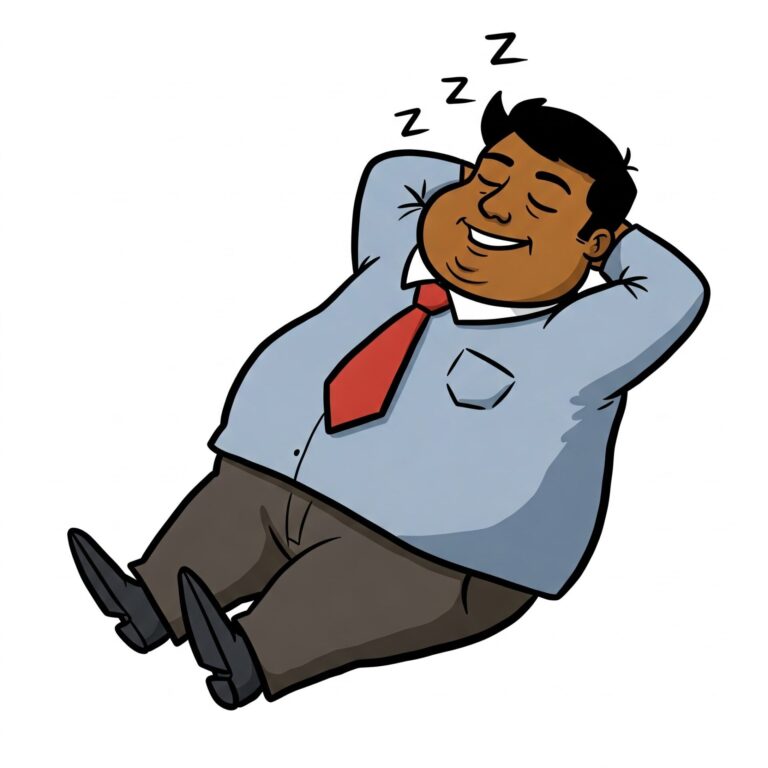
Most solopreneurs are terrible managers. If you were an employee at a company, you would probably be fired within a month. You would be the person who ignores deadlines, works until they crash, and forgets to take care of basic human needs like sleep or sunlight.
You tend to push yourself way too hard. You feel guilty if you take an afternoon off. You tell yourself that "resting" is just "being lazy. " This is a lie.
Rest is not a reward for finishing work; it is a
When you treat yourself like a machine that should run 24/7, you eventually break the machine. And since you are the only person in the company, when the machine breaks, the whole business stops.
The Endless To-Do List
In a big company, there are systems. There are people to handle the boring stuff, the legal stuff, or the technical stuff. There is a hierarchy that helps decide what is important.
As a solopreneur, you are the hierarchy.
You are the CEO, the marketing department, the IT guy, and the person who has to clean the desk. This creates a massive problem: everything feels urgent.
If a client sends an email, it feels like an emergency. If a software update is needed, it feels like a crisis. Because you are doing everything, you lose the ability to see the big picture. You spend all your time putting out small fires, and you never get around to building the actual business.
It is a cycle of reactive work. You aren't building a future; you are just surviving the next hour.
It is exhausting to live in a state of constant reaction.
How to Stop the Self-Sabotage
If this sounds familiar, don't panic. You aren't failing; you are just experiencing the natural growing pains of solo work. The goal isn't to work harder; it is to manage yourself better.
First, you need to create artificial boundaries. If you don't have an office to leave, you have to create a mental one. Decide that at 7: 00 PM, the laptop shuts. Not "around 7: 00, " but 7: 00.
Second, learn to hire your own kindness. This sounds a bit deep, but it is practical. Treat your "employee self" with the same respect you would give a colleague. If a friend told you they hadn't slept in two days because they were working, you wouldn't tell them to "grind harder. " You would tell them to go to bed.
Third, separate the "thinking" from the "doing. " Dedicate specific times for being the CEO (planning, strategy, big ideas) and specific times for being the worker (answering emails, doing the tasks). If you try to do both at the same time, you will just end up doing neither well.
Being your own boss is a huge privilege, but it is also a massive responsibility.
The hardest part of the job isn't the work itself. It is learning how to be a boss who actually cares about the person doing the work.