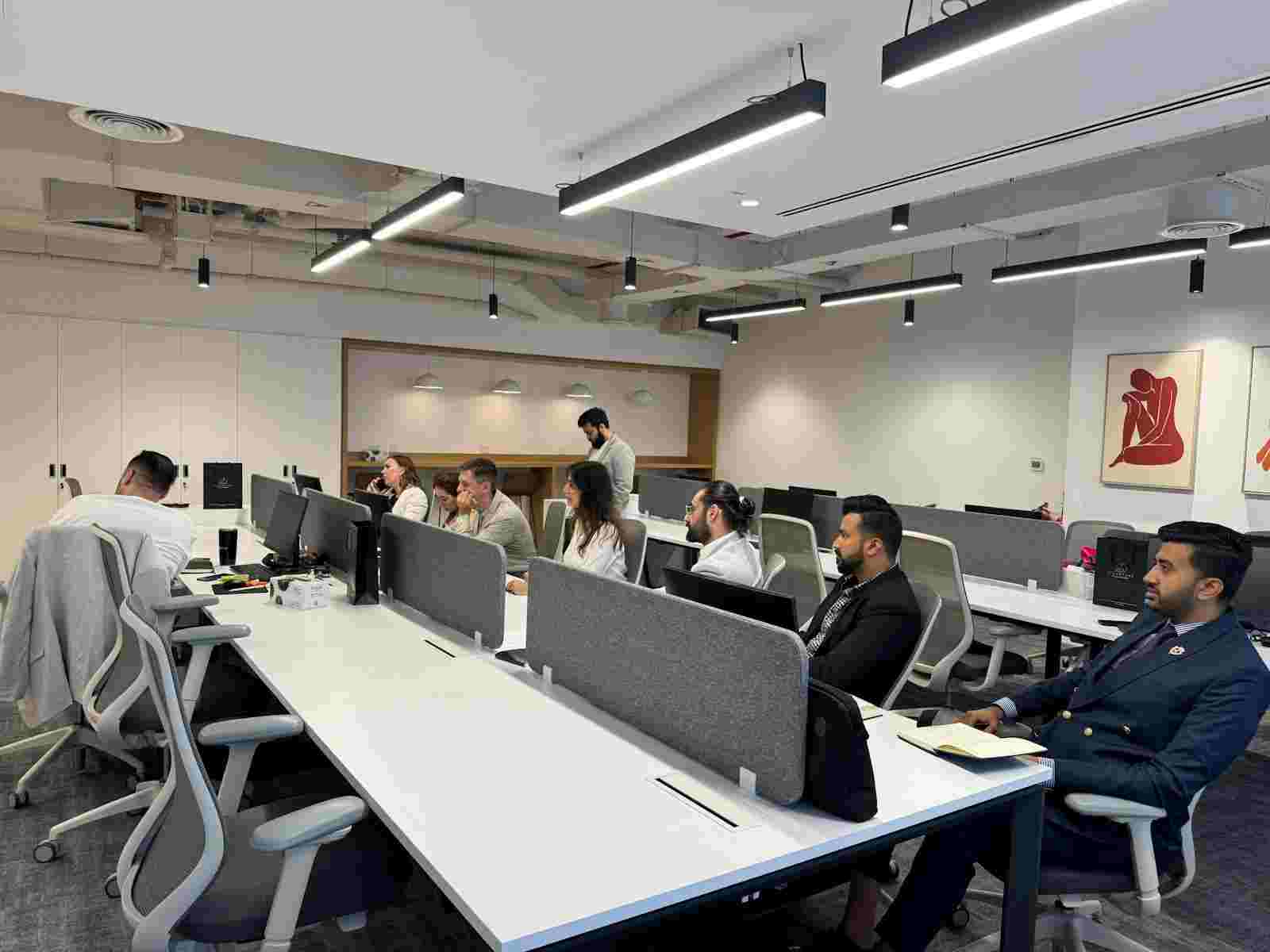
The Messy Desk of the Mind
Someone once told me that the secret to a successful life is just having more willpower. They suggested waking up at 4: 00 AM, drinking green juice, and writing a "to-do" list that looks like a grocery list for a small army.
I tried it. I really did.
By Tuesday, I wasn't a productivity god. I was just a very tired person with a very long list and a growing sense of dread. I had all the motivation in the world, but I still didn't know where to start.
The problem wasn't my lack of drive. The problem was that my "system" was actually just a pile of chaos wrapped in a fancy notebook.
We often mistake being busy with being effective. We think if we just push ourselves harder, the stress will vanish. But pushing harder against a broken process is like trying to run faster on a treadmill that is unplugged. You're working incredibly hard, but you aren't actually going anywhere.
The Motivation Trap
Motivation is a feeling. It comes and goes like the weather. One morning, you feel like you can conquer the world. By 3: 00 PM, after three emails and a broken coffee machine, that feeling has evaporated.
If your work depends on you "feeling motivated" to get things done, you are in trouble.
Real work doesn't care about your mood. A business doesn't run on inspiration; it runs on operations. When we rely on willpower to fix a disorganized workflow, we are setting ourselves up for failure. It is exhausting to have to decide every single morning how to handle the same repetitive tasks.
Every time you have to ask, "Wait, where did I save that file? " or "Who was supposed to email the client back? ", you leak mental energy. That tiny leak doesn't seem like much, but by the end of the day, your brain feels like a sponge that has been wrung dry.
Clarity is the Real Superpower
Operational clarity is a fancy way of saying: knowing exactly what happens next.
Think about a well-run kitchen in a busy restaurant. The chefs aren't standing around waiting for "inspiration" to cook a steak. They have
The stress in that kitchen isn't caused by the hard work. It's caused by the chaos if the system breaks.
In an office or a home, clarity looks like this:
- A clear place for every digital file.
- A set way to handle incoming requests.
- A standard way to say "no" to things that don't fit.
When the "how" is decided ahead of time, your brain is free to focus on the "what. " You stop spending your energy on the plumbing and start spending it on the actual project.
Decisions are Expensive
Every decision you make costs something. Psychologists call this decision fatigue.
If you have to decide how to organize your inbox every single morning, you are wasting "brain fuel" that should be used for important thinking. If you have to decide which software to use for every new task, you are losing time.
When you create clear processes, you are essentially making decisions once so you don't have to make them a thousand times.
Imagine if you had to decide what to wear every single morning from scratch. It would take forever. But if you have a "work uniform" or a pre-set rotation, you just grab clothes and go. You've automated the boring part to save the important part.
Processes aren't meant to turn us into robots. They are meant to protect our humanity. By taking care of the repetitive, mindless stuff through clear steps, we leave more room for the creative, messy, and unpredictable parts of being alive.
The Small Step Forward
You don't need a massive corporate overhaul to find clarity. You don't need expensive software or a complex manifesto.
Sometimes, clarity is just deciding that all receipts go in one specific folder. Sometimes, it is writing down the three most important things that must happen before you close your laptop for the day.
Stop looking for more motivation. It's a fickle friend that will let you down when things get tough. Instead, look for the friction. Look for the moments where you feel confused, stuck, or annoyed.
The friction is usually a sign of a broken process, not a lack of character. Fix the process, and the stress often follows it right out the door.