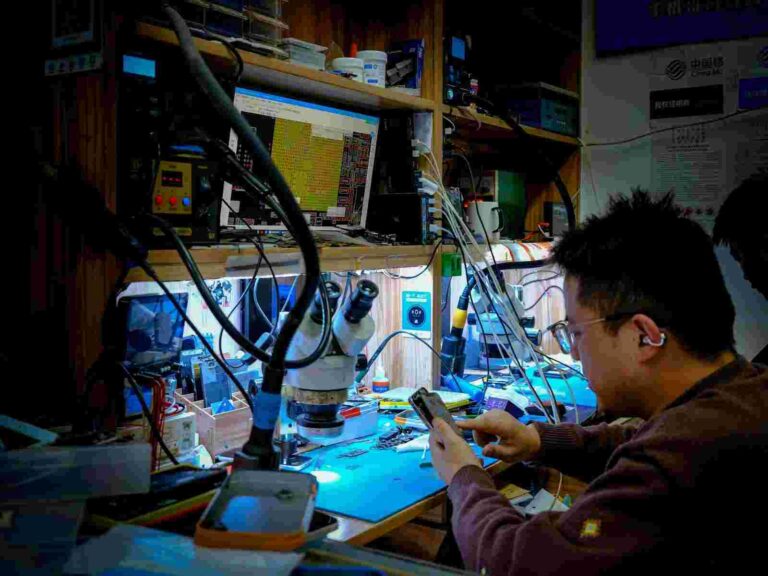
The Single Point of Failure in Your Office
The office is quiet. Everyone is working. Then, suddenly, the person who knows exactly how to run the monthly payroll or fix the server goes home sick. Or worse, they decide to take a long, well-deserved vacation.
Suddenly, the gears of the business grind to a halt.
Nobody knows where the files are. Nobody knows the password to the specific software that only they use. Nobody knows the three weird, manual steps required to make the shipping labels print correctly.
In business terms, we call this a "Single Point of Failure. " In real life, we call it a nightmare.
When only one person holds all the knowledge, your team isn't actually a team. You are just a group of people waiting for one specific individual to show up so things can happen again.
It feels fine when things are going well. You think, "Oh, we're all great, we work well together. " But stability is a bit of an illusion when certain processes live entirely inside one person's brain.
The Knowledge Trap
Most small teams fall into the knowledge trap because they are busy. Documentation feels like a luxury. It feels like something you do when you have "extra time"-which, if you work in a small team, is almost never.
Writing things down feels like a chore. It feels like slowing down. It feels like doing homework when you'd rather be playing.
But not documenting is actually the fastest way to slow down.
Think about the last time you had to ask someone a question that they answered with, "Oh, I'll show you next time, " or "It's kind of complicated, I'll just do it myself. " That's the trap. They are saving five minutes now, but they are costing the company five hours of confusion later.
Knowledge shouldn't be a secret treasure hidden in a person's head. It should be a shared map that everyone can read.
Making it Easy (Without the Boredom)
If you try to write a massive, 50-page manual, you will fail. Nobody will read it, and nobody will want to write it. The trick is to keep it low-friction.
You don't need
One of the easiest ways to start is with Loom or a similar screen-recording tool. Instead of sitting down to write a manual, just record your screen while you actually do the task. Talk through what you are doing. "First, I click this button. Then, I wait for the loading bar. If it turns red, don't panic, just refresh. "
A five-minute video is often better than a ten-page document. It captures the nuances. It shows the "why" behind the "how. "
Another method is the "Wiki" approach. Use a simple shared space-a basic digital notebook or a shared folder. When a question is asked in a chat or an email, don't just answer it. Write the answer in the shared space and send the link.
This turns every question into a permanent piece of documentation. You are building the library one brick at a time, rather than trying to build a whole castle in a weekend.
The Cost of Silence
There is a psychological side to this, too. When knowledge is hoarded-even if it's not on purpose-it creates a weird power dynamic. The person with the knowledge becomes "unfireable" or "unreplaceable. "
This sounds like a good thing for that person, but it's actually stressful. They can never truly disconnect. They are always on call because they know if they don't answer, everything breaks.
Real freedom in a job comes from knowing that if you step away, the world keeps spinning.
A healthy team is one where the processes are bigger than the people. It's about building something that can survive a rainy Monday, a sudden flu, or a sudden resignation.
Where to Start Tomorrow
Don't try to document everything at once. You'll burn out by Tuesday.
Instead, look for the "pain points. " What is the one thing that always causes a panic when the wrong person is in the room? What is the task that everyone is afraid to touch because "only Sarah knows how to do it"?
Start there. Just one process. One video. One simple list of steps.
It won't be perfect. It won't be pretty. But it will be a start.
Documentation isn't about writing books. It's about making sure that when someone steps away, the rest of the team can step up.