# The Heavy Weight of the Keys
It happens at 3: 00 AM. You are lying in bed, staring at the ceiling, and suddenly, it hits you. It isn't a dream about falling or being chased. It is the realization that if the business fails next month, people lose their houses. It isn't just about your bank account. It is about the mortgage of the person in accounting, the grocery budget of the person in the warehouse, and the school fees of the person driving the delivery van.
Being a business owner is often sold as "being your own boss. " People imagine working in pajamas and making big decisions from a beach. They don't talk about the quiet, heavy pressure of being the person whose decisions determine whether twenty other families eat well this month.
Ownership has a specific kind of gravity. It pulls at your shoulders even when you aren't working.
The Mental Load Nobody Warns You About
Most people think business stress is about spreadsheets, taxes, or difficult clients. Those are real problems, sure. But they are manageable. You can fix a spreadsheet. You can negotiate with a client.
You can't easily "fix" the feeling that you are responsible for the livelihood of every person on your payroll.
When a machine breaks, you call a technician. When a staff member gets sick, you look at the schedule. But when the economy shifts or a major contract slips, the responsibility doesn't go to a technician or a scheduler. It sits right in the middle of your chest.
This is the mental load. It is the constant, low-level hum of "what if? " running in the back of your mind. It is the awareness that your mistakes don't just affect you; they ripple outward.
That ripple effect is what makes ownership different from employment. An employee can have a bad day, make a mistake, and go home. For the owner, a bad day can feel like a threat to the entire ecosystem.
The Trap of the "Hero" Mentality
There is a common habit among small business owners: trying to carry everything at once.
You become the person who knows every password, every customer's name, and exactly how the coffee machine works. You think this makes you indispensable. You think it is what a good leader does.
In reality, this is a recipe for burnout.
When you try to be the hero who solves every
Being a hero is exhausting. Being a leader is different. A leader builds systems so that the printer can be fixed by someone else, allowing the leader to focus on the things that actually keep the lights on.
If the business collapses because you took a weekend off, you haven't built a business. You have built a very stressful job for yourself.
Moving Toward Sustainable Management
So, how do you stop the 3: 00 AM ceiling-staring sessions? It starts with moving from "doing" to "managing. "
It sounds simple, but it is hard to do when you are used to being the person who gets things done.
- Build Trust through Delegation: You have to let people make mistakes. If you hover over every task, your team will never learn how to think for themselves. If they don't learn to think, you will never be able to step away.
- Create Processes, Not Just Rules: A rule tells someone what they can't do. A process tells them how to handle a situation when things go wrong. When people know the process, they don't have to run to you for every tiny decision.
- Accept the Uncertainty: This is the philosophical part. You can be the best manager in the world and still face a crisis. You cannot control the world, but you can control how prepared your team is to face it.
There is a certain peace that comes with realizing you aren't a god; you're just a steward. You are looking after a group of people and a set of resources. You are doing your best with the tools you have.
The Reality of the Weight
The weight of responsibility doesn't actually go away. You don't wake up one day and suddenly feel "light. " You just get stronger.
You learn to carry it differently. You learn that you don't have to carry it alone. You build a team, you build systems, and you build a life that exists outside of the office walls.
Ownership is a heavy thing. But it's also what makes the wins feel so meaningful. When the business thrives, it's not just because you worked hard. It's because you built something steady enough to hold everyone up.
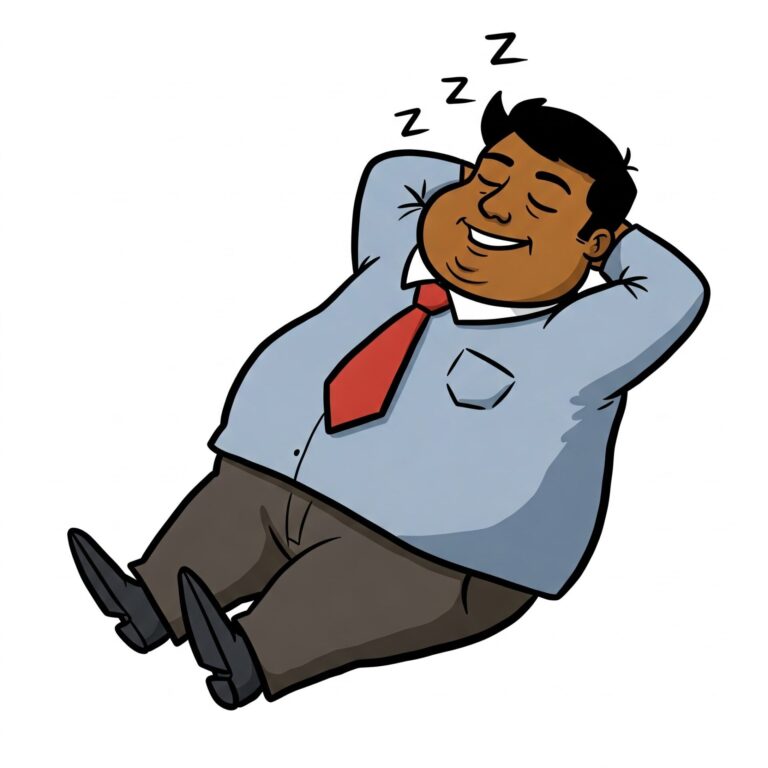
Sometimes, the best thing you can do for your employees is to take a nap and trust the systems you built.